Looking out of the airplane, I saw a bright orange sunrise spreading across the horizon. It had been a restless night trying to get comfortable against the window, but that didn’t matter as I watched the colors lighten the sky over Europe. This study abroad trip in May of 2026 was my first time ever traveling outside of the United States, so I soaked up the entire experience. Our group traveled to the Netherlands for ten days to study “Sex and Society” in Amsterdam and the surrounding area. I gained so much from this trip, including a cultural understanding of the Dutch people, historical knowledge, travel skills and world experience.
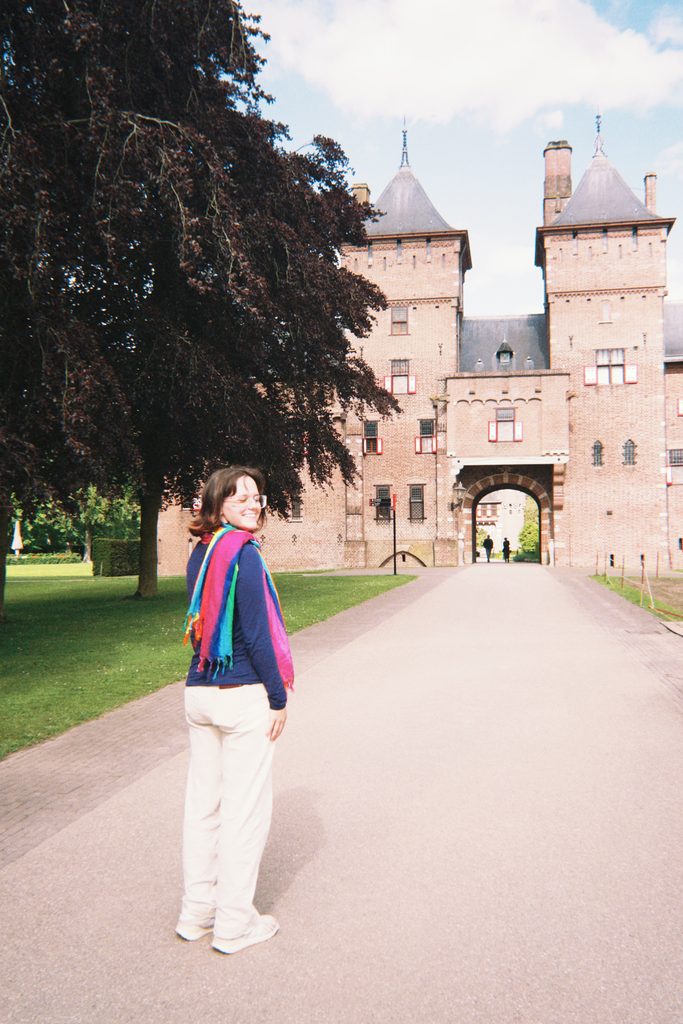
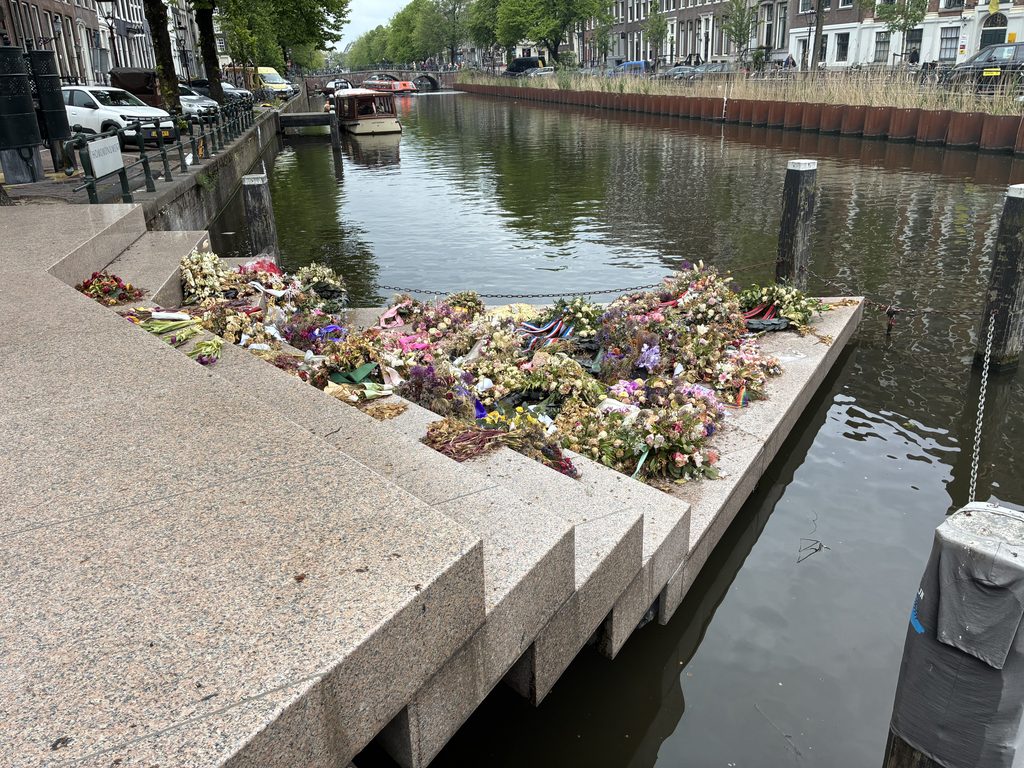
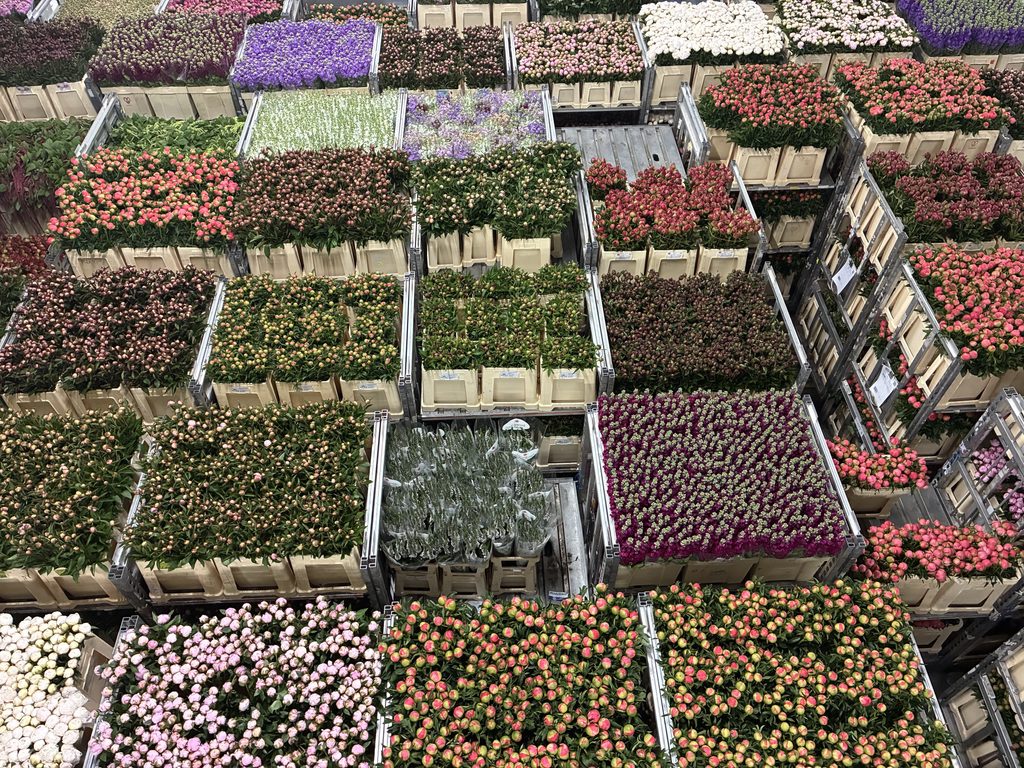
Kasteel de Haar, the largest castle in the Netherlands. This castle was originally owned by the de Haar family in the 14th century, but was rebuilt by famous architect Pierre Cuypers in the late 19th century. The Homomonument is a public memorial that honors queer people who have been persecuted or killed for their sexual orientation. The monument uses a pink triangle, a symbol that has been reclaimed by the queer community after it was used in the holocaust to distinguish gay men in concentration camps. We visited this monument shortly after Remembrance Day (May 4th) where people lay wreaths and flowers to honor LGBTQ+ victims. We were able to experience the Aalsmeer Flower Auction, the largest flower auction in the world. This building handles over 40 million flowers and plants daily, and supplies over 2,000 jobs to workers from over 40 countries.
We started our trip with a walking tour of Amsterdam; our guide focused on the acceptance of diversity and the emphasis on change that is embedded in Dutch culture. The short walking tour excited our group, setting a tone of curiosity and exploration for the next 10 days. It was incredible to walk through the streets of a bustling city filled with bikes and public transportation, hearing languages I couldn’t even recognize, and taking in the breathtaking architecture.
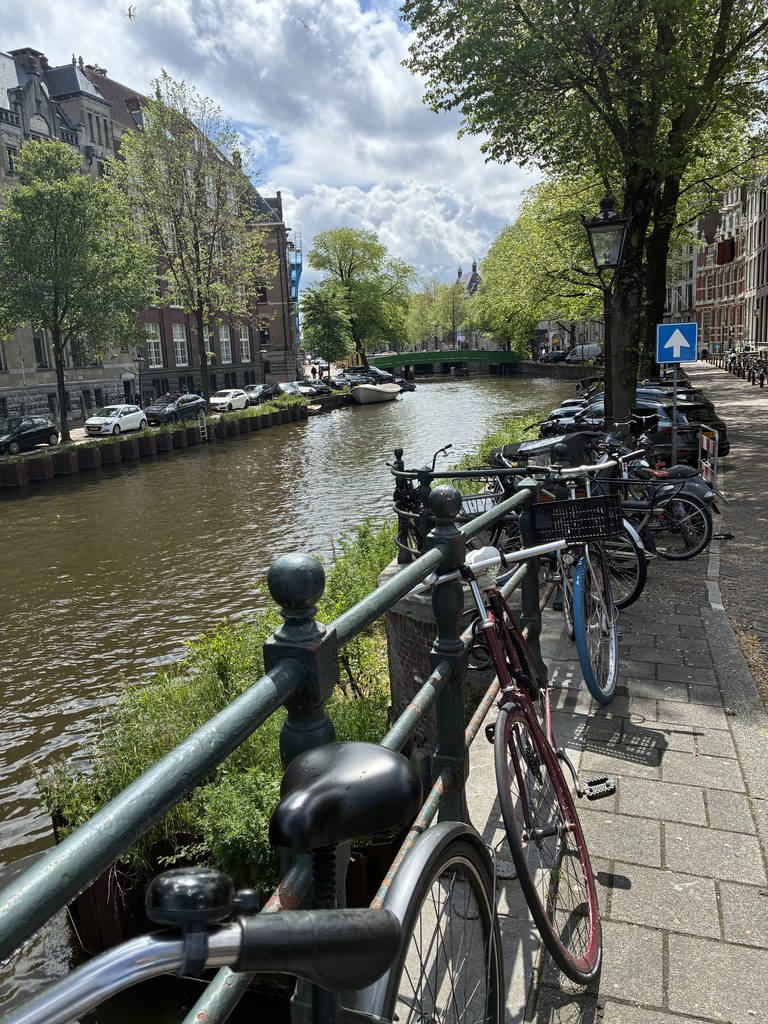
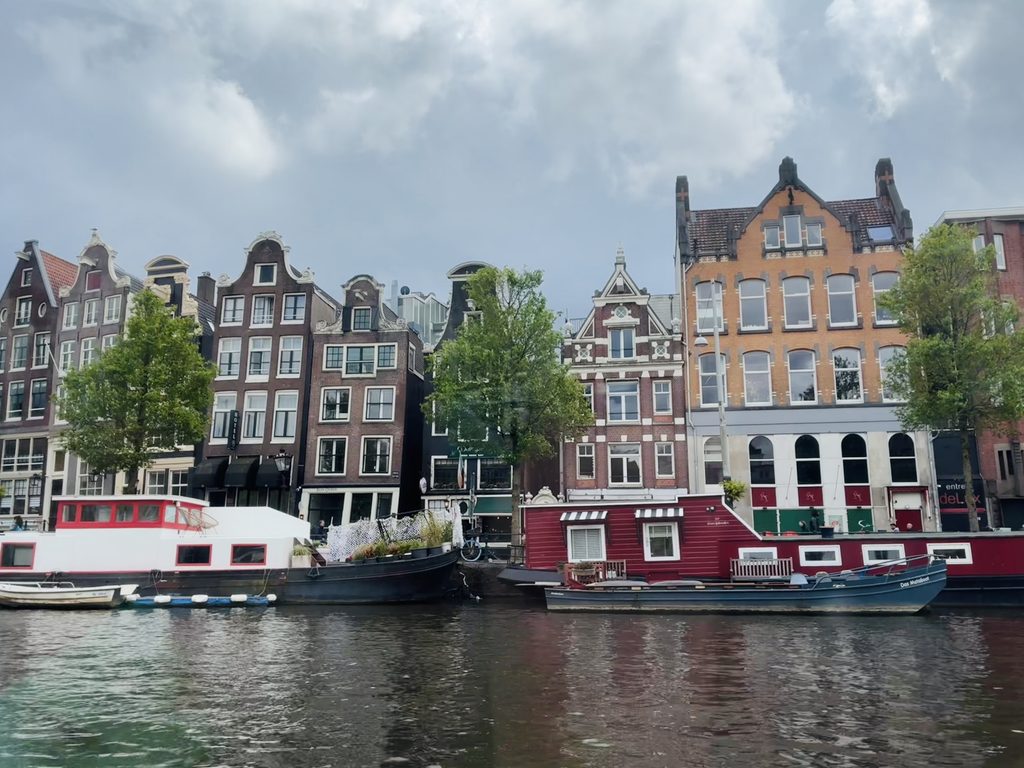
The sides of the canals throughout Amsterdam are lined with bikes as this is the main form of transportation throughout the city. Amsterdam became a bike-first city in the 1970s following multiple car accidents involving children on bikes. Mass civil disobedience and protests led to reform, after hundreds of people laid their bikes down in the streets. The iconic canal houses in Amsterdam were built in the Dutch Golden Age in the 17th century. These tall, narrow houses are built on stilts in the water. As water levels have gone down, the wood of the stilts has been exposed to air and they have begun to rot, causing the houses to lean and sink. A proactive effort within the Dutch government has reinforced the wood with concrete to stabilize these historic buildings.
I had never been surrounded by buildings that were so old, let alone so intricate. Most of the buildings in Amsterdam are older than our country, being built in the “Dutch Golden Age” in the 17th century. We were able to go inside a church that had been a structure since the 14th century and walk past beautiful canal houses, which were built on stilts in the 1600s. Everything felt so grand to me, even the less intricate or “impressive” structures were remarkably beautiful.
Most members of the group, including myself, would not have been able to go on this trip if it weren’t for the scholarship opportunities here at Maryville College. On top of the $2,000 study abroad scholarship, most students got an additional refund of $1,200 to go on this trip, removing many financial barriers. This meant that our group was made up of people with vastly different reasons for going and backgrounds, but a shared commitment to getting everything we could out of the experience.
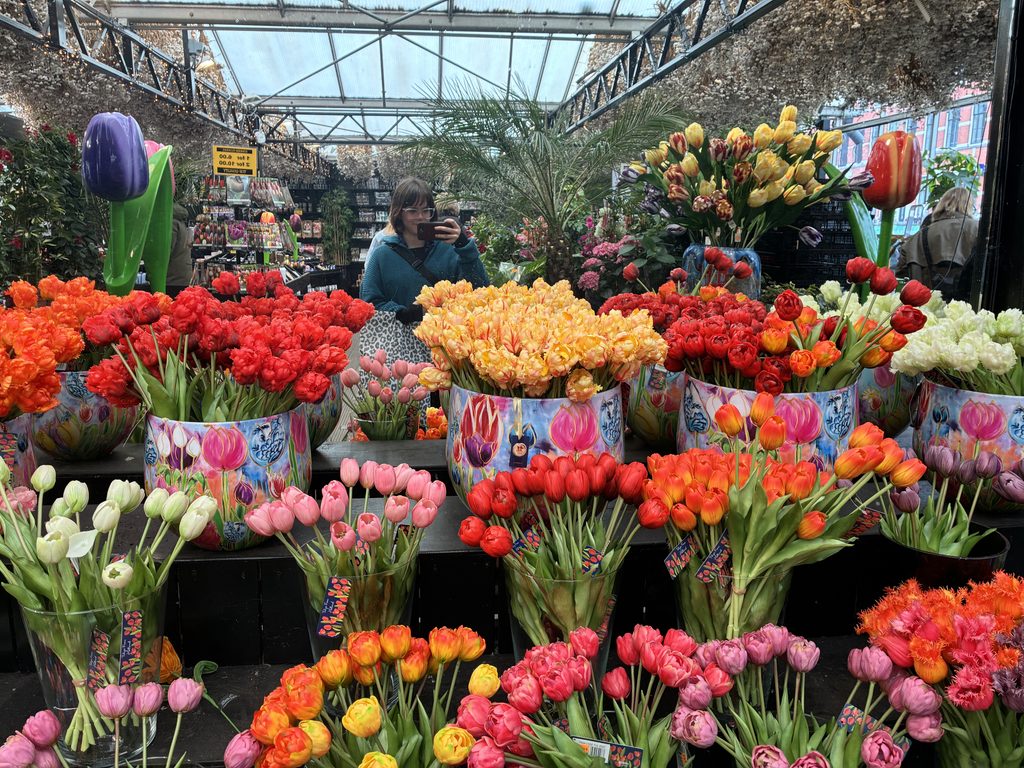
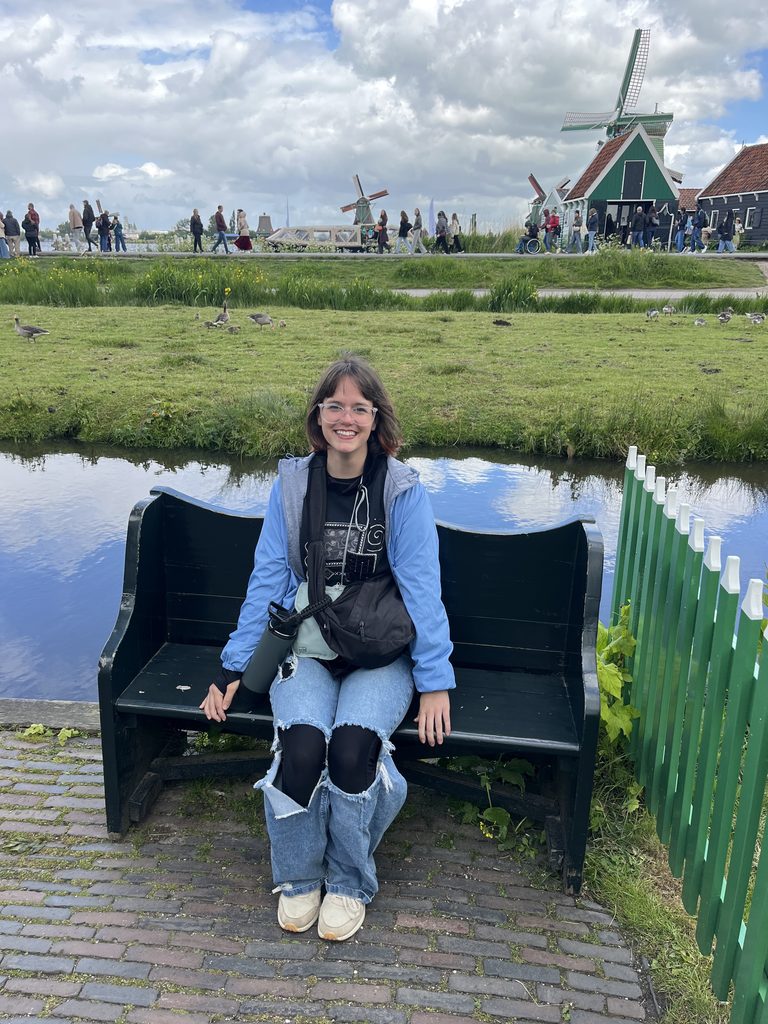
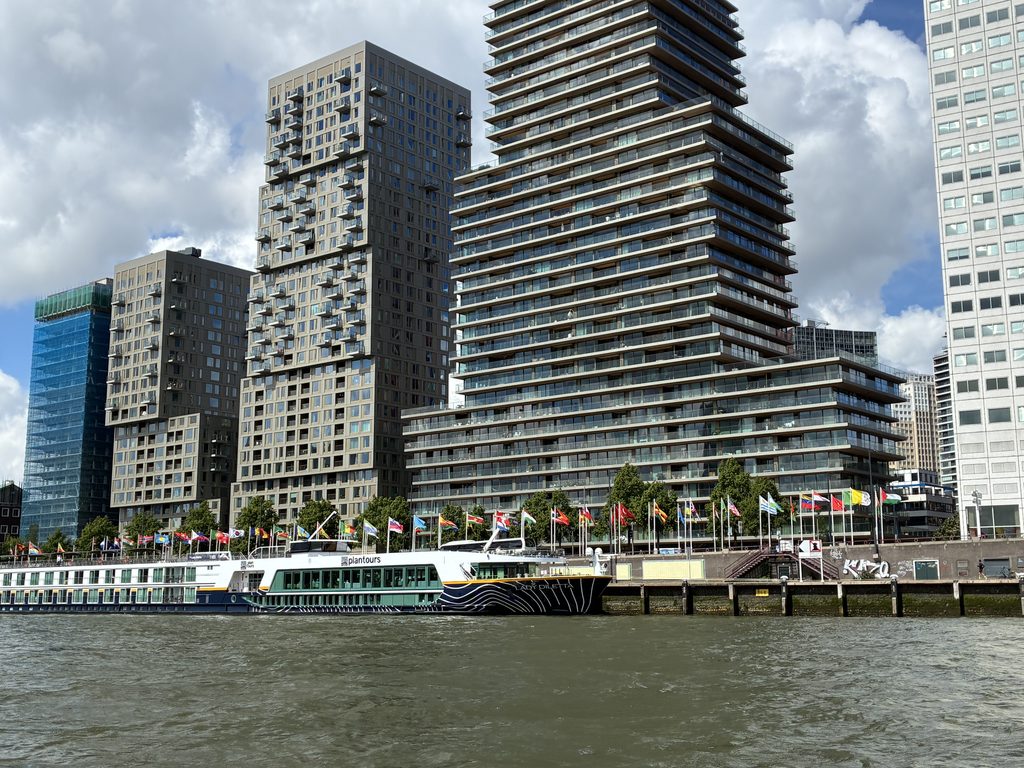
The Bloemenmarkt is the world’s only floating flower market, and it is built right on the water of a canal. Historically, tulips were very important to the industry of the Netherlands, and they continue to be today. They also serve as a symbol of the Netherlands cultural identity, representing beauty and innovation. On our day trip to the Zaanse Schans windmills, our group learned so much about the history of the Netherlands and the importance of the windmill in pumping water off of the land to make it liveable. There are over a thousand historical windmills still standing, and throughout Holland, the windmill is seen as a symbol of Dutch culture and the importance of innovation and invention. Our visit to Rotterdam was marked by the incredible architecture and unique buildings that we saw. After being bombed in World War II, Rotterdam was rebuilt with extremely modern and creative architecture. The Port of Rotterdam thrives now as the largest port in Europe, and the population is incredibly diverse, with over 180 nationalities represented, and over half the population having migrant background. Shown in this photo are the flags of the different nationalities within their population, as well as some examples of the unique architecture.
Going to the Netherlands offered me so many new experiences. We went to some of the most amazing museums I’ve ever been to, including the Rijksmuseum and Van Gogh Museum, both of which showcased incredible art. We also visited the Anne Frank House and the Dutch Resistance Museum, where we learned about the culture and history of the Netherlands. In addition to these museums, we met sex workers and heard about their experiences in a culture that views sex and sex education in a vastly different way than in the U.S. Meeting these people has stuck with me as I reflect on my experience abroad.
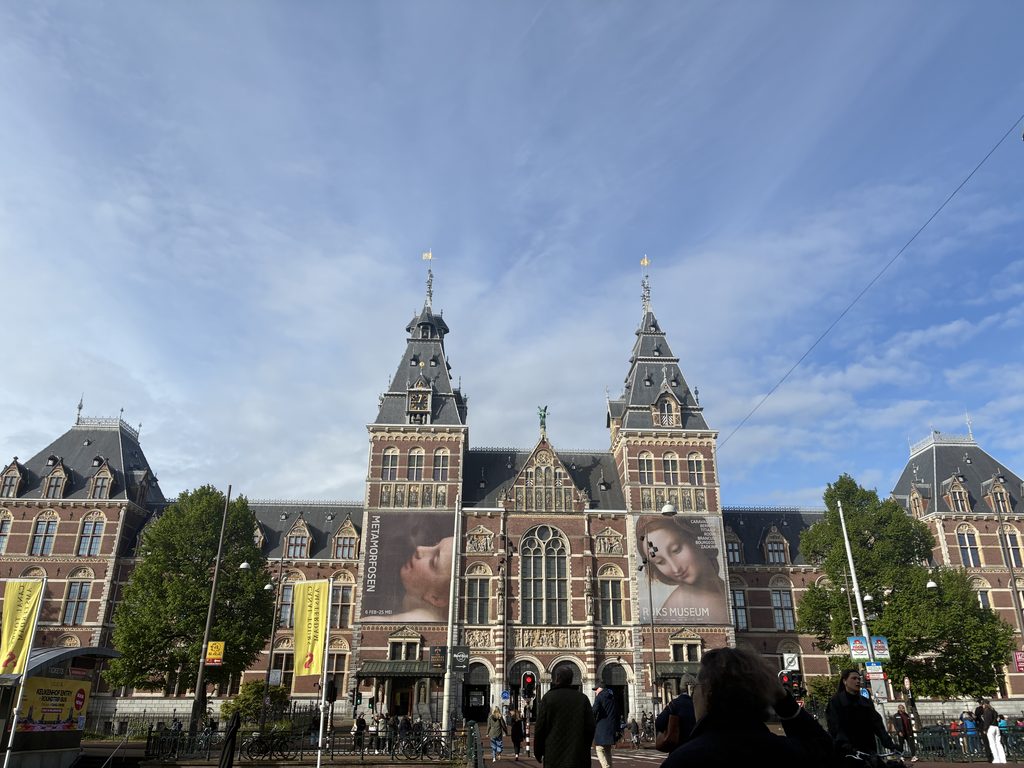
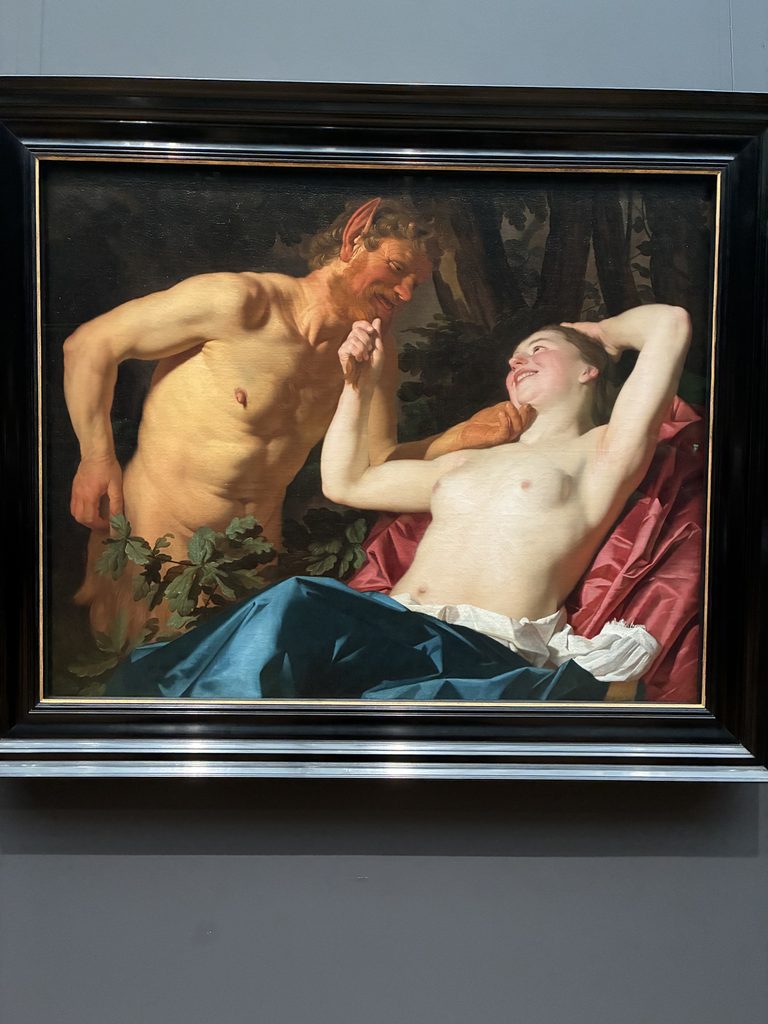
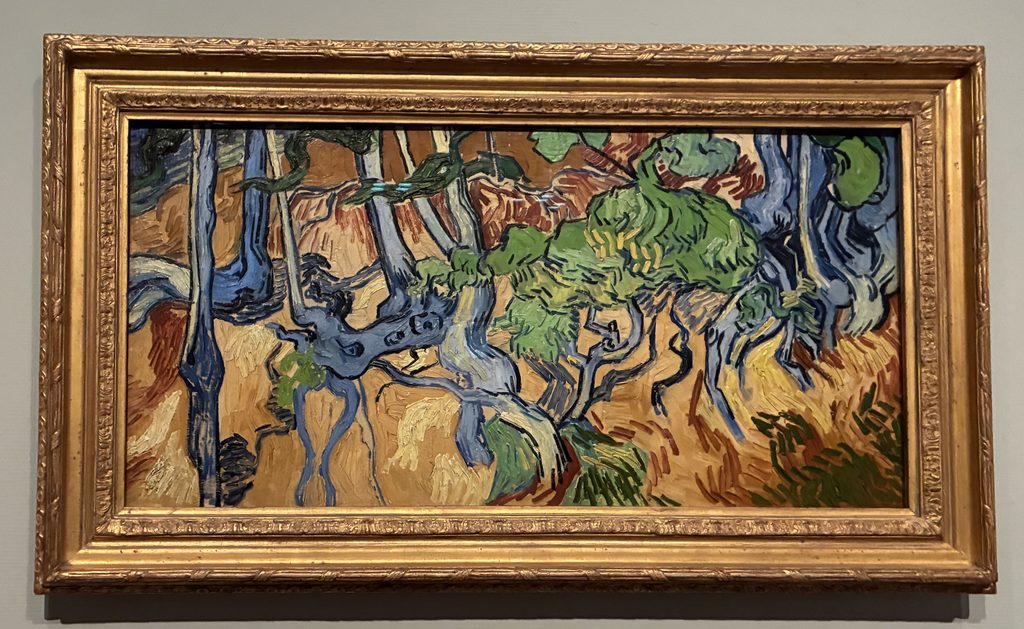
This picture shows the outside of the famous Rijksmuseum, the national museum of the Netherlands – also built by famous Dutch architect Pierre Cuypers – it highlights the work of Dutch artists. This museum was incredible and vast, and tells stories of Dutch history through the many works of art. This was one of my favorite pieces of art within the Rijksmuseum, called “Satyr and Nymph”. It was painted by Gerard van Honthorst in 1623, and shows a beautiful and intimate moment between these two creatures. The Van Gogh Museum was amazing, and offered me so much more knowledge and insight about Van Gogh’s life and art. This piece, called “Tree Roots”, is the last painting that the famous Dutch artist worked on before committing suicide. It is left unfinished. Seeing it and learning more about the story was emotional and heartbreaking.