Japan Study Abroad Photo Story
By Kathryn Bornhoeft | Oct. 20, 2026
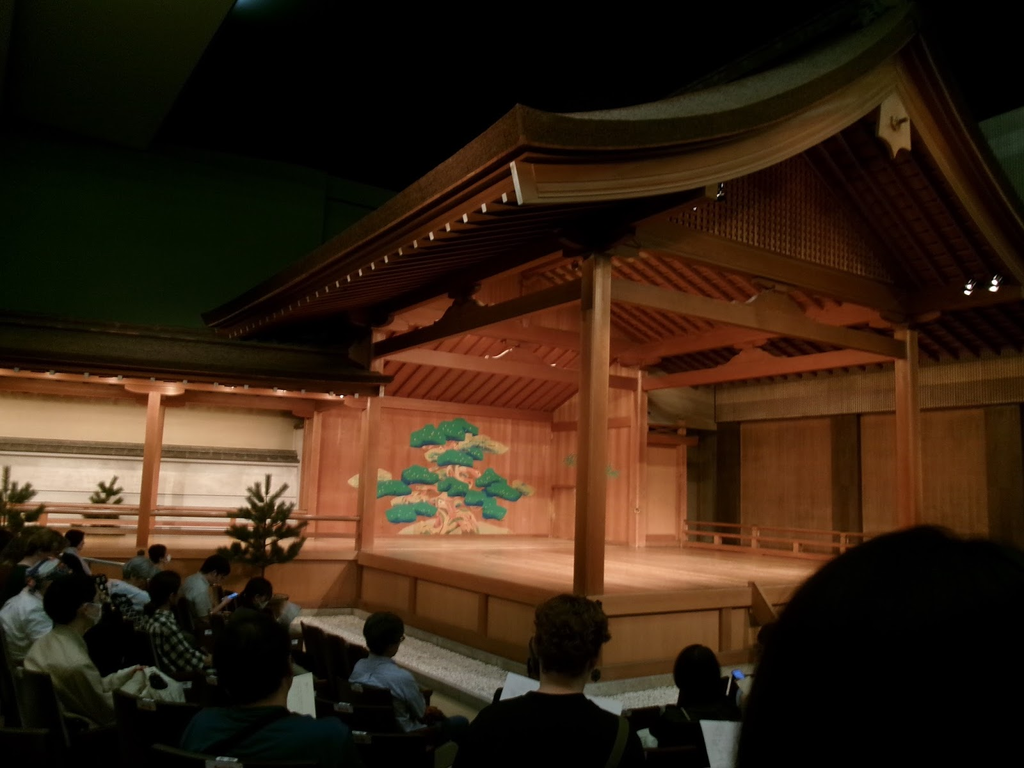
This summer, I was among a group of students who had the opportunity to study in a Noh theater intensive at Kansai Gaidai University in Hirakata, Japan. Noh is a traditional Japanese theater style and a sacred art form that involves entirely handmade costumes and masks. Actors study for years to master the movement and song-like chanting the plays require. There are five types of plays: god, warrior, woman, madness and demon, each with its own defining features. Because Noh was originally performed outdoors, traditional Noh stages still have roofs.
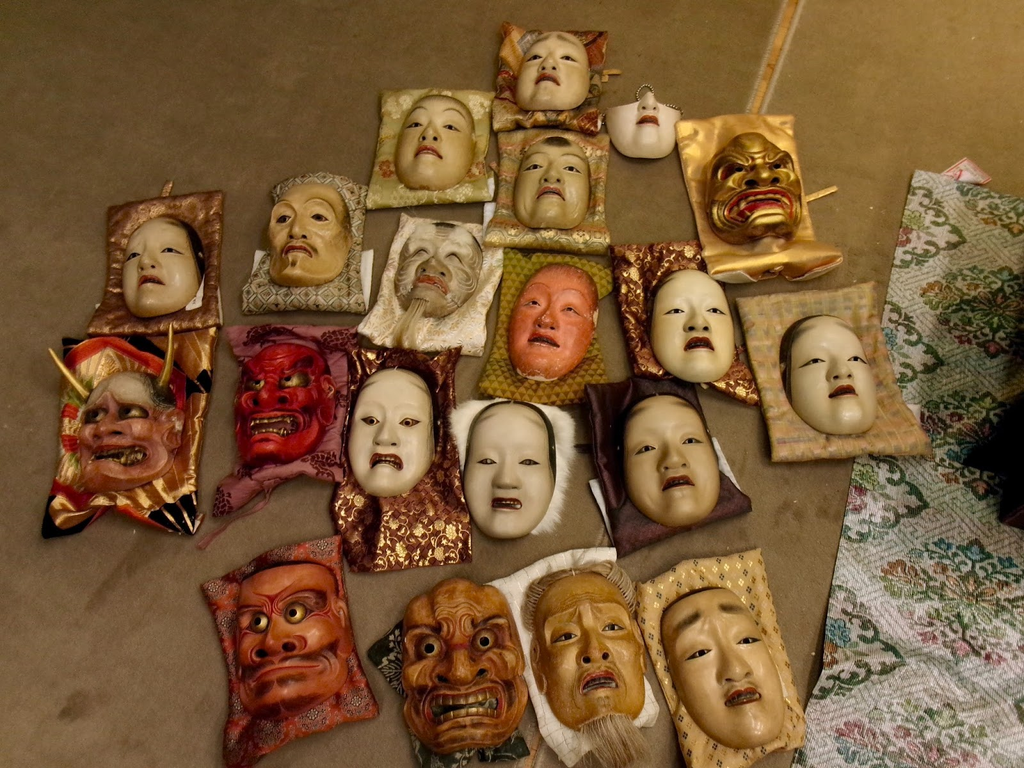
While in Japan, we had the amazing opportunity to visit a mask and costume maker. The masks were incredibly intricate. Each feature was carefully carved and painted with natural, handmade paint. Noh masks are to be worn only by specific performers, and each mask has a story linked to it. The eye position, strands of hair and mouth shape all hint at the character’s personality or life circumstances.
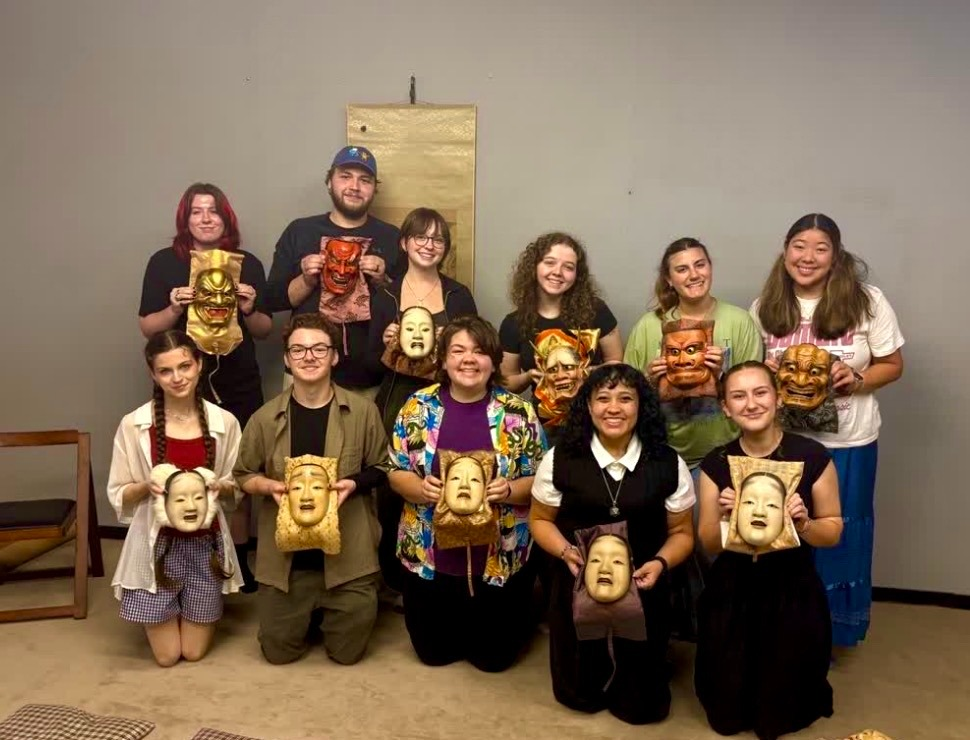
Top row, from left: Soda Cline (’29), Trevor Morency (’26), Megan Cooper (’26), Meredith Wynn (’26), Miranda Parkhill (’27), Gracie Williams (’28). Bottom row, from left: Sasha Hoenie (’26), Reid Goad (’28), Kat Wilson (’28), Jaden Greenlee (’28), and Kathryn Bornhoeft (’28). Photo Courtesy of Andy Vaught
The costume maker asked that his costumes not be photographed because they were commissioned, but they were very detailed. Noh costumes are designed for different seasons and feature native plants and flowers in the detailed work. Every line of thread on every costume was handmade. His work is so impressive that the Japanese government has recognized him.
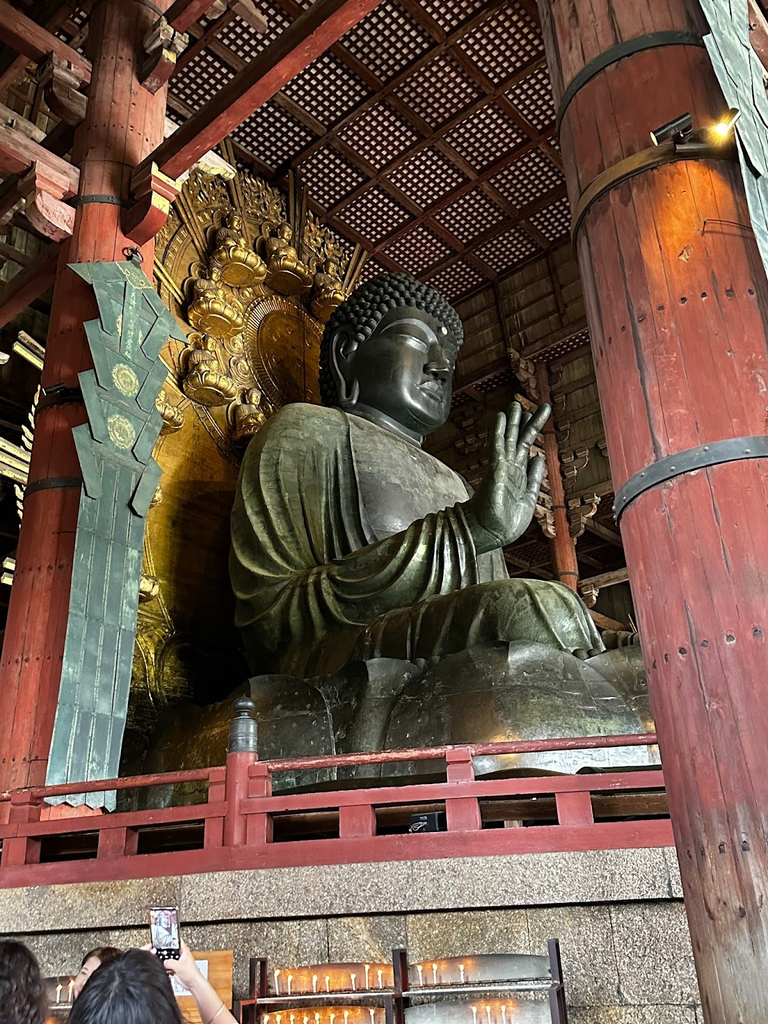
This trip has truly helped me grow as a person. It increased my independence, my willingness to try new things and my ability to connect with others despite a language barrier. Although the program was shorter than others, at only 10 days, we made the most of our time. We visited the Osaka Aquarium, Nara Park, which is famous for its friendly deer, and Todai-ji, a Buddhist temple. We were also lucky to visit Universal Studios Japan.
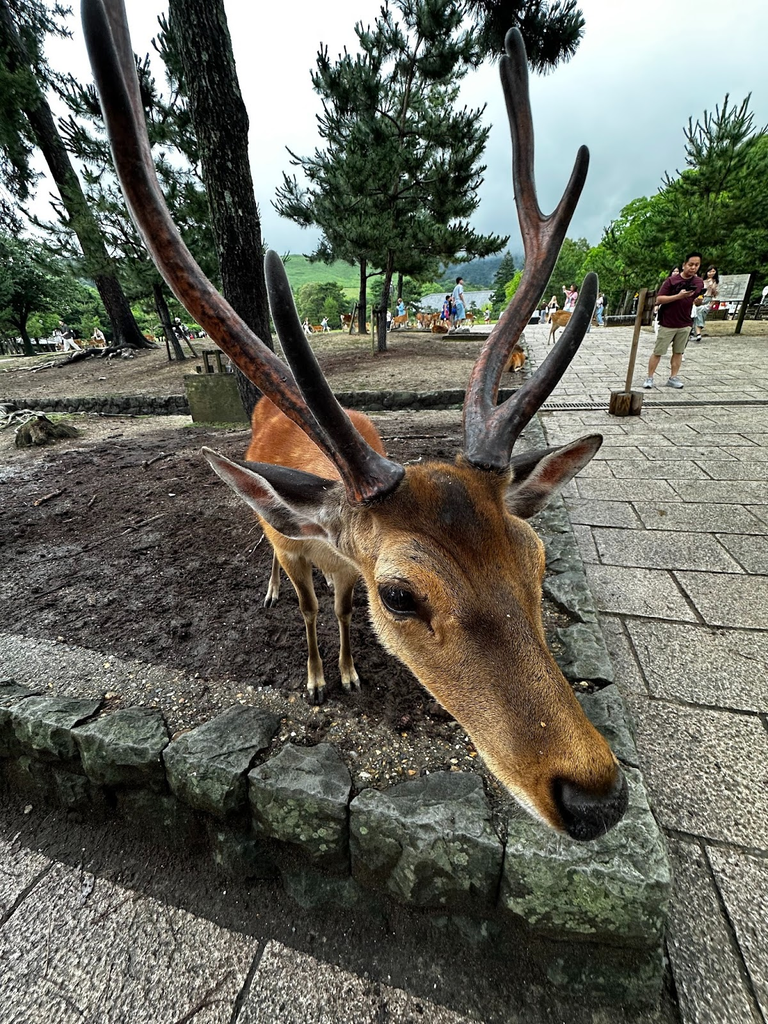
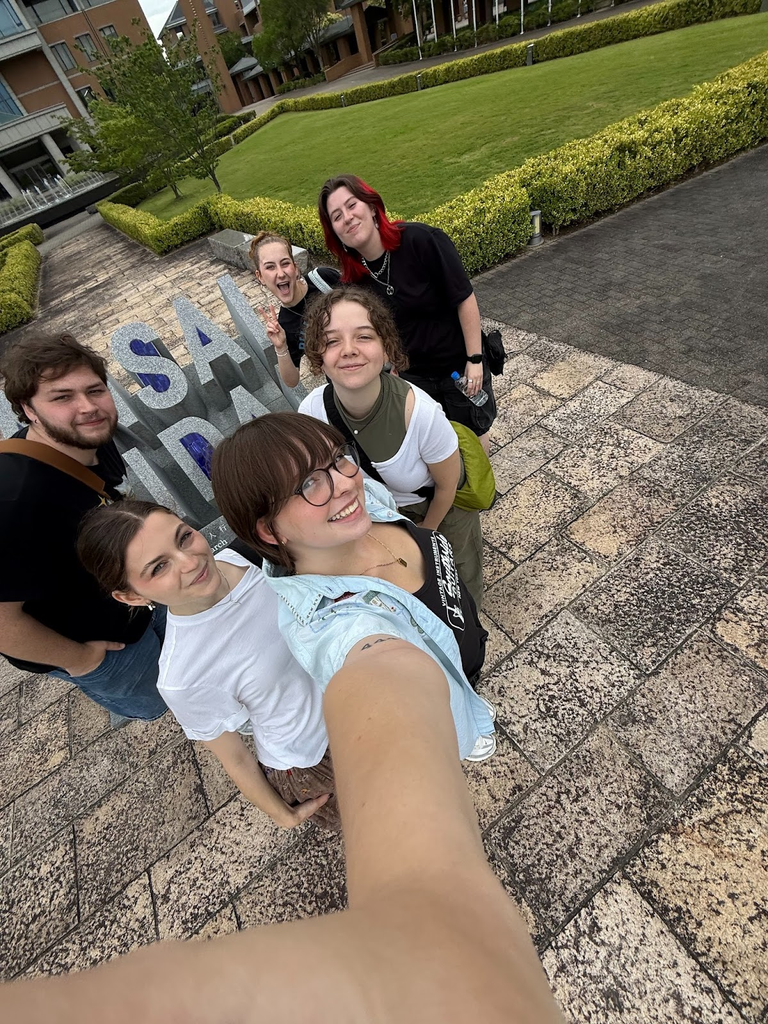
Photo Courtesy of Megan Cooper
Outside of class, my friends and I enjoyed trying new restaurants, walking to local shopping centers and connecting with other residents at Kansai Gaidai. Chisako, our resident assistant, was the best ever, and we still keep in touch.
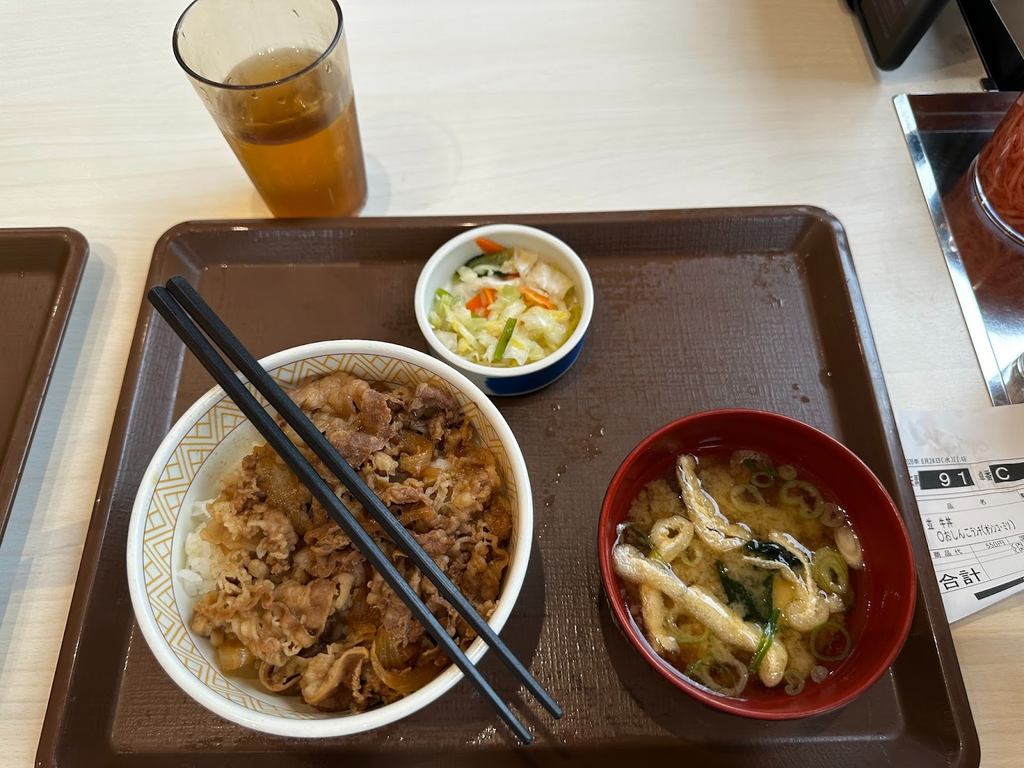
Photo Courtesy of Kathryn Bornhoeft (’28)
As someone who had never been on a plane, let alone out of the country, I was very hesitant to join this trip. But my love for theater and my desire to expand my knowledge convinced me to go, and I am so glad I did. Japan is a safe, clean place with beautiful culture and scenery and delicious food. I will carry this experience with me forever and always cherish my time there.