Head in the Game: How MC Athletics supports student athlete mental health
Managing classes, practice and games, MC student athletes juggle full schedules that can end up taking a toll on their mental health. While staying physically active and competing are a big part of their daily routines, some athletes’ mental well-being are overlooked. Because of the pressure that comes with being a student athlete, the Maryville College Athletics Department has implemented programs to expand mental health resources for athletes.
One of the newest initiatives is a partnership with University of Tennessee Sports Psychology. They have been sending experienced graduate students to mentor sports teams at MC. This new program has shown to be effective so far, said Andrew Wu, director of athletics.
“We have a number of graduate student mental performance coaches ready to go for us this year,” said Wu.
The main goal of these mental performance coaches is to mentor, motivate and create team building activities for the athletes. They can help improve morale and encourage athletes to be mindful of their mental health.
Darrin Travillian, head coach of the women’s basketball team, said the partnership has already made an impact.
“We have been working with them the past couple of seasons. I think they have been a tremendous resource for our athletes, specifically in the areas of self-coaching and imaging,” Travillian said. “It’s great to have another set of eyes with a very different lens and focus.”
The MC Athletics Department is also developing a new mental health program to better equip coaches for dealing with mental challenges on their teams.
“We are planning to coordinate Mental Health First Aid training for all of our coaches to equip them as well as possible to support students,” Wu said.
This training will help strengthen the support system that’s currently in place at MC, and will help coaches know how they can help their athletes’ mental wellbeing.
The college is also bringing back the Cooper Success Center through Noah Bowman and Gretchen Cook in Academic Success. The program mainly focuses on academic support, but Wu stresses its other benefits.
“I think it’s a great initiative that gets student-athletes together in a structured and supportive environment,” said Wu.
At the end of the 2024-25 athletic season, a postseason survey was conducted for student-athletes to fill out.
They were instructed to answer the prompt: “My coaches support my mental health and wellbeing.” The scores ranged from one to five, one being “completely disagree” and five being “completely agree”. The results were promising.
“The aggregate average response was 4.21,” Wu said. “That said, we get [helpful] comments on that question when students have concerns, and [we] are able to work with coaches [in] cases where students don’t feel they have been supported,” said Wu.
With new initiatives underway and helpful student feedback, MC athletics aims to make mental health support as important as practice and performance for student athletes.
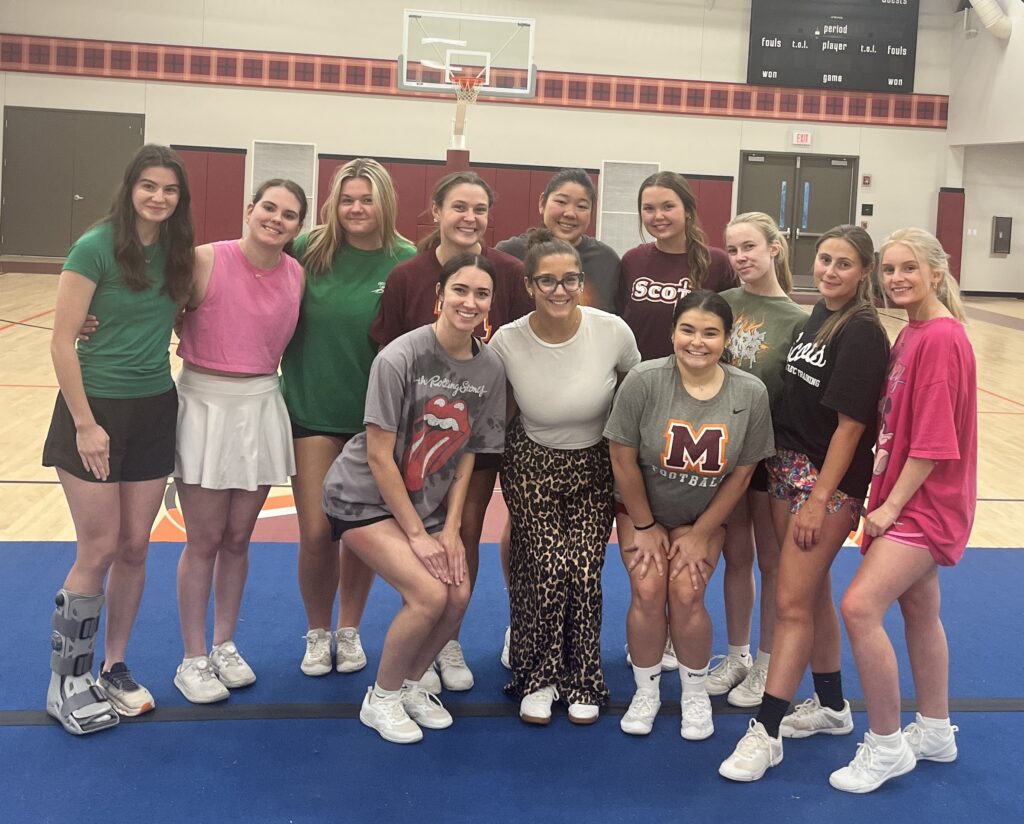
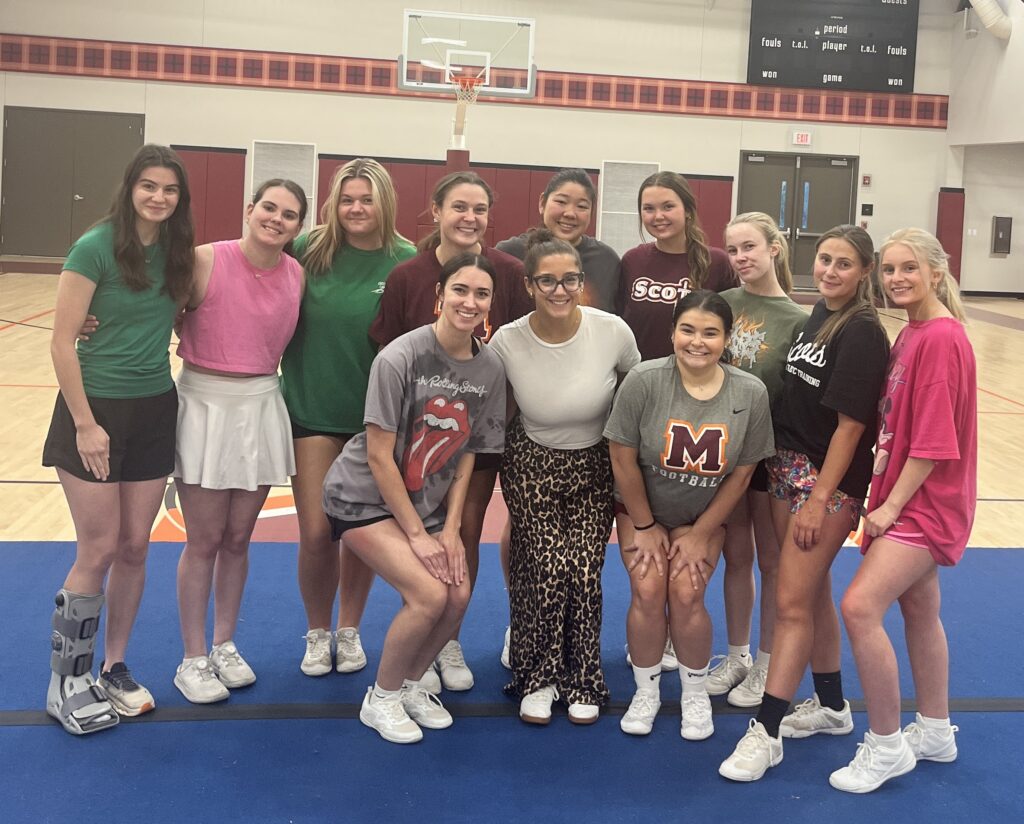
MC cheerleaders Anna Kauffman (‘27), Hadleigh Walborn (‘27), Keira Allen (‘29), Emma Knight (‘28), Gracie Williams (‘28), Jasmine Helton (‘27), Laura Ratliff (‘27), Josie McRae (‘27), Claire Moore (‘29), Dakota Forelle (‘28), Sophia Xiques (‘29), (not pictured) Courtlyn Walsh (‘26), take a photo with UTK Sports Psychology student Taitum Mason, who mentors the MC cheer team weekly.
Photo Courtesy of Nikki Whaley
One thought on “Head in the Game: How MC Athletics supports student athlete mental health ”