Ted Higgs retires after years of service, both to his country and to Maryville
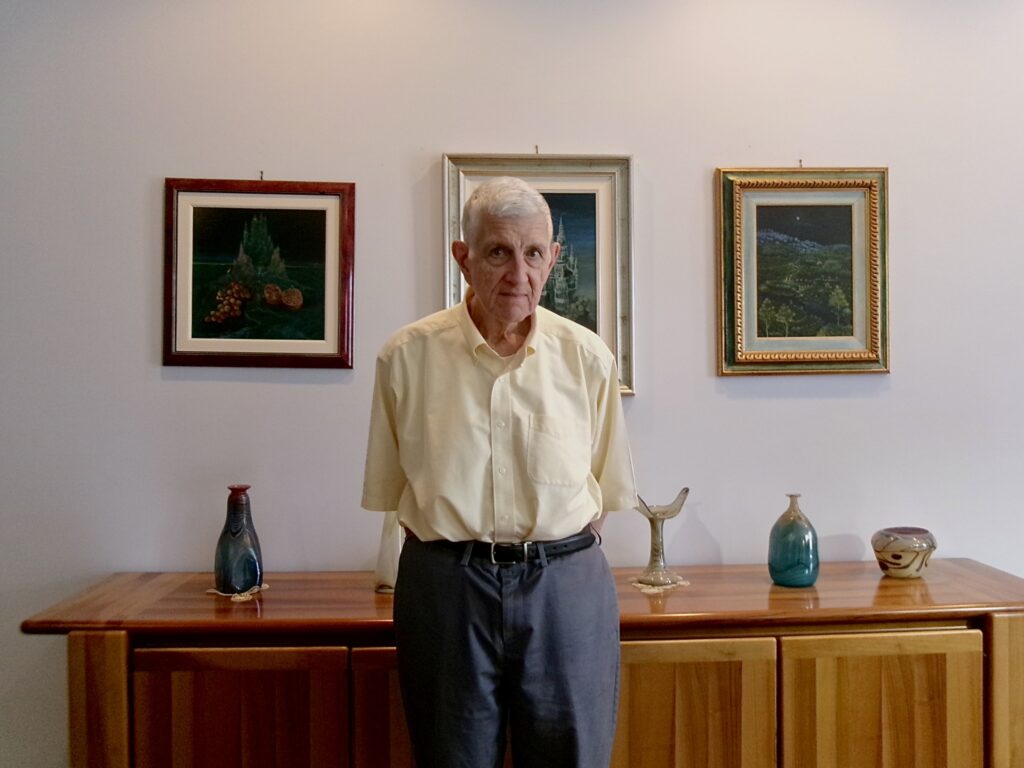
Professor Ted Higgs, adjunct instructor of English, history, Italian and Latin is retiring after 13 years of teaching at Maryville College, over 40 years of teaching at the collegiate level and just under 25 years of military service. Both Higgs’s teaching and military career have been culturally varied and global ventures: Higgs commanded missile units, served as an Italian staff officer through an exchange program and resided in Italy and Belgium during various periods.
Higgs’s life abroad and interest in the cultures around him began long before he enlisted in the military. His father, an Air Force officer, also combined higher education and military service, serving at one point as an ROTC instructor at the University of Maryland.
When Higgs was about 10 years old, he moved with his family to Hokkaido, Japan, while his father served at Chitose Air Base. This period of Higgs’s life influenced his later desire for cultural immersion.
He learned Judo and joined the Boy Scouts while in Japan, and frequently visited an indigenous tribe called the Ainu.
“They have their own culture, dress, dances, [and] they have bear skulls all around their village,” Higgs said, explaining that bears are highly respected and considered sacred in Ainu culture.
Higgs and his family relocated to North Carolina after their time in Japan, and then from North Carolina to California, where Higgs completed high school. He won a state scholarship to the University of Southern California and spent two years there as pre-med major enjoying college life: serving as president of a fraternity, studying, and playing rugby.
“Your chances of being drafted were less if you were in school,” Higgs said, although this didn’t last for long.
With the Vietnam War underway, Higgs knew college students would soon not be exempt from military service, so he decided to enlist.
He served several years of enlisted service before being accepted into Artillery Officer Candidates School and left there as a Second Lieutenant of Artillery. He began his service as an officer – attending the Defense Language Institute at Monterey, California while studying modern Greek. Higgs spent the next few years of service in Greece, where he eventually became the commander of four American missile units attached to the Greek Air Force.
He returned to the United States for further training and eventually joined the 101st Airborne Division in Vietnam. He served first as an intelligence officer and then became the logistics officer responsible for redeployment.
Finishing his Bachelor of Arts in History at Austin Peay State University, he next went to Fort Sill, Oklahoma, for further officer training. While there, he was selected to teach English at West Point, the United States Military Academy. He taught philosophy and literature for the first three years and was then selected for the humanities position in the research office, which allowed him to return to Greece. While in Greece, Higgs assembled a number of books in translation of Greek romantic poetry and literature.
“I love books, and as I moved from position to position, I would often carry several thousand in my personal library. I declared them professional equipment based on the fact that I was teaching at West Point,” Higgs said.
After a year in the humanities position in the research office, he volunteered for an open position at the NATO Headquarters in Verona, Italy. This position entailed a language requirement, so Higgs returned to Monterey, California to study Italian for nearly a year..
In Verona, Higgs served the Plans branch. A major redeployment document had been approved by NATO and Higgs was involved with writing the plan in support of defense of Northern Italy.
He returned to West Point, concentrating this time on developing English composition classes and resuming charge of the creative writing program. Towards the end of this three year tour, he was interviewed for and won the position of executive assistant to the supreme commander of Allied Forces Europe, which entailed being the principal speech writer for the NATO military commander.
Higgs relocated to Mons, Belgium – NATO military headquarters. From Belgium, Higgs was assigned back to Italy to work as an Italian staff officer on a corps level staff in northeastern Italy, in a town called Vittorio Veneto. This position was part of an exchange program that Italy and the United States had at the time, where an American officer served as an Italian officer, and vice versa. Higgs served in this capacity for four years.
Higgs and his wife, April, resided there for several years, immersing themselves culturally in an Italian lifestyle.
Higgs served as a board member of a cultural group called Filo. He was also president of an Italian art group for a number of years, putting out a monthly newsletter in Italian and sponsoring numerous art shows each month.
Higgs frequently received art pieces as payment for his work. He now maintains this expansive art collection in his home. Higgs rode a motorized bike to the gallery each day from his apartment, and bought flowers for his wife every Friday on his way home.
“Just about everyone in town knew me,” Higgs said. “I was the only American there.”
When Higgs assumed the role of president of the arts group, there were roughly 20 members, and upon his departure from Italy, there were over 300 members.
Higgs arranged bringing roughly 1,000 pieces of artwork to the U.S., along with 45 artists from his company. Over the course of their trip, they gave classes at high schools and elementary schools and painted murals.
While serving as president of the art group, Higgs simultaneously taught American Studies courses in Italian to Italian students at the University of Maryland’s European Division.
“People could be any age to enter [classes], and it was fun to foster curiosity in these people,” Higgs said. “We taught [the book] Dances With Wolves when it just came out.”
After living in Italy for fifteen years, Higgs and his wife returned to the U.S. to be closer to their aging parents. After returning to the U.S., Higgs eventually relocated to Elizabethtown, Kentucky, near Fort Knox, where he introduced a Latin program at a local community college. From there, he and his wife moved to Lexington, Kentucky, where he taught Latin and classics for the next ten years. From Lexington, Higgs then moved south and relocated to Maryville, Tennessee, where he began his teaching career at Maryville College in 2013.
About Maryville College, Higgs said: “One of the things that’s nice about the faculty: we each bring a lot of experience and service to the College.”
Higgs taught English as a Second Language at the International House, soon becoming an adjunct instructor of composition, literature, mythology and history. Higgs also developed the Latin and Italian programs at Maryville College. Shortly after arriving, Higgs was approached by several student veterans and asked to assist in establishing a Student Veterans Association, requesting a permanent facility for student veterans.
At the time, Bartlett Hall was being re-organized, and the dean of students was receptive to the idea of establishing a student veteran center in Bartlett Hall. Over the summer, Higgs, his wife and several volunteers painted the interior of the new Military Student Center.
Higgs said “It was important to have space for veterans to share with others with similar life experience.”
Higgs served as the director of the Military Student Center for several years, before rededicating himself to teaching.
Over his time at Maryville College, Higgs authored five books of poetry. Higgs wrote his first poem while in service at Verona. Higgs said “A lot of my poetry has to do with things I remember– not a whole lot about army service, but relationships, and nature.”
Higgs is looking forward to completing his sixth book of poetry, which is two-thirds complete. Higgs said that the basic meaning of the Latin word for ‘study’ is ‘to be enthusiastic,’ which has translated directly into Higgs’s experience, as he spent a lifetime enthusiastically studying the world around him through language acquisition, cultural immersion, reading and translating the voices of others in written form, and cultivating his own voice through poetry.
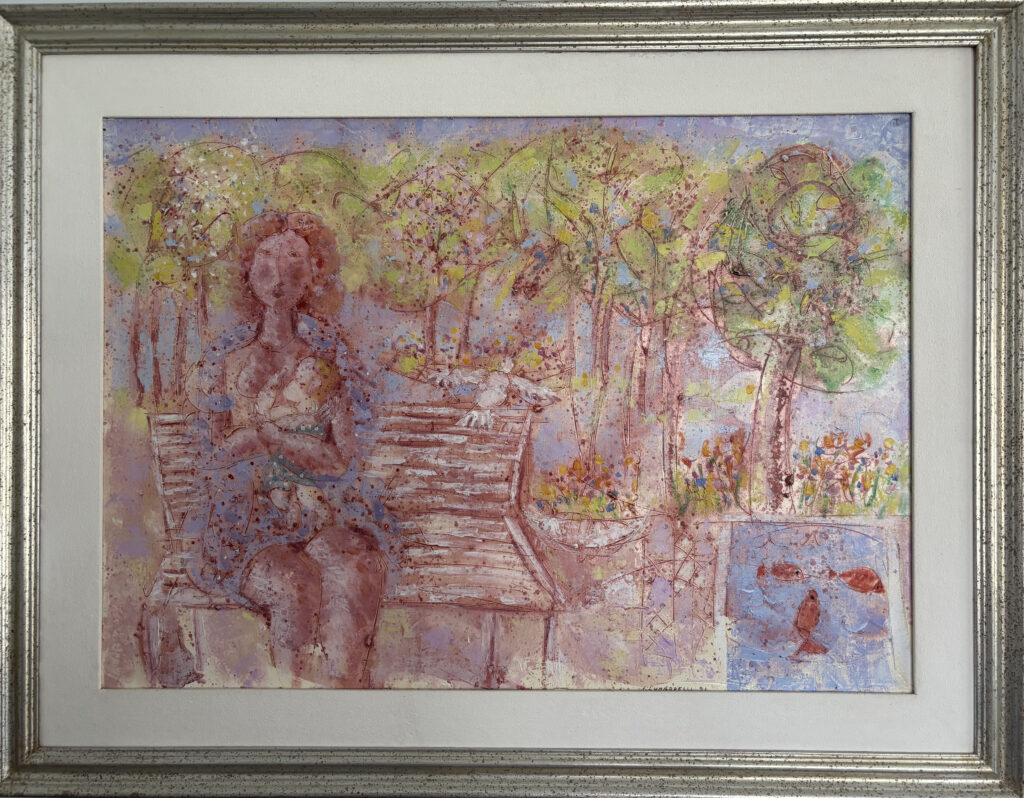
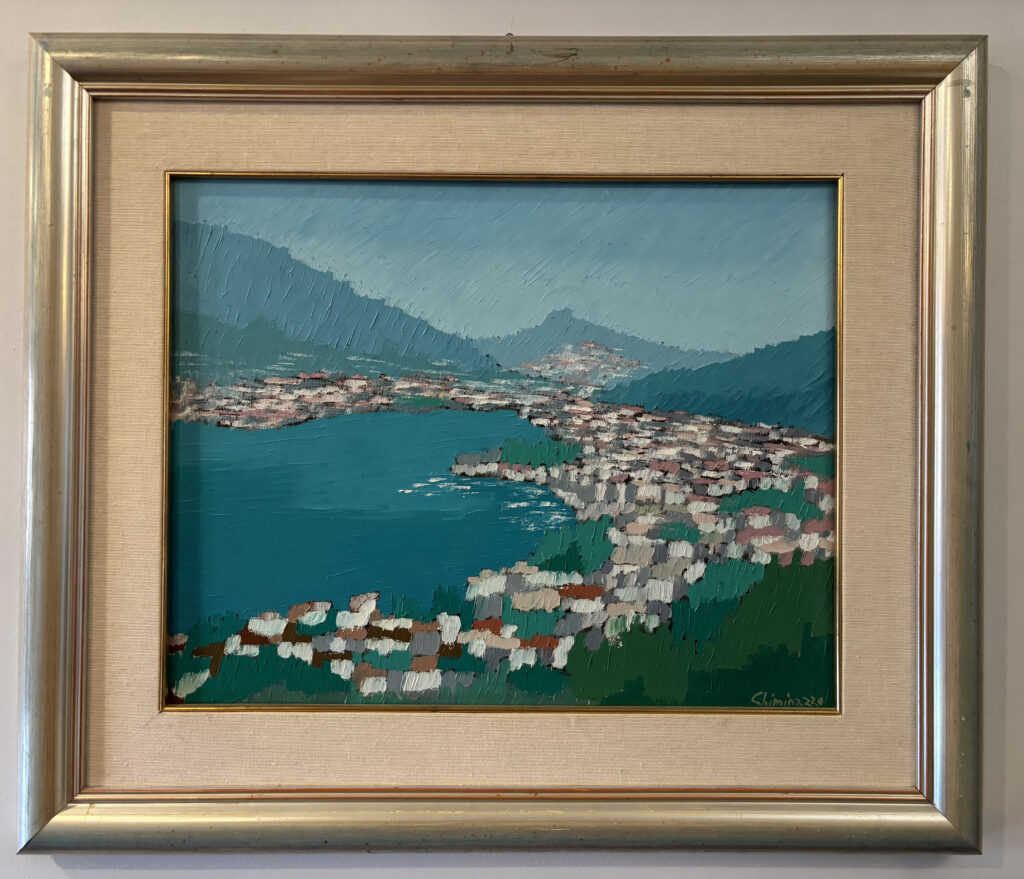
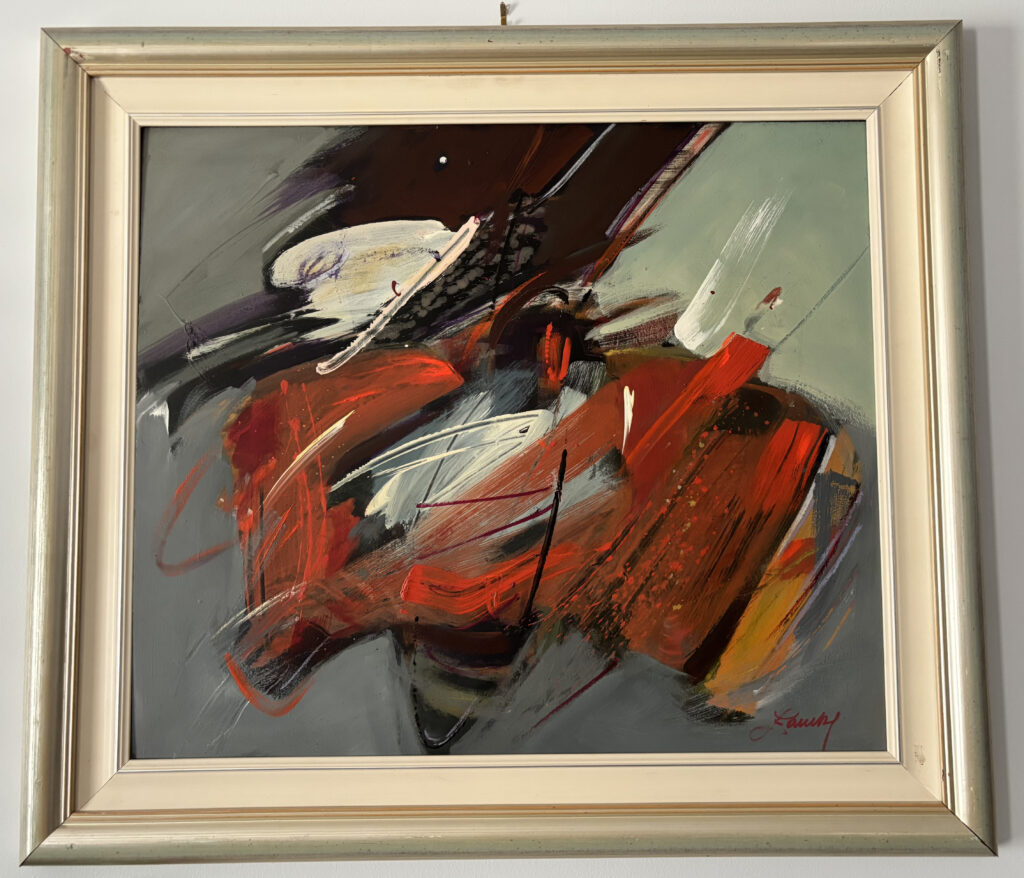
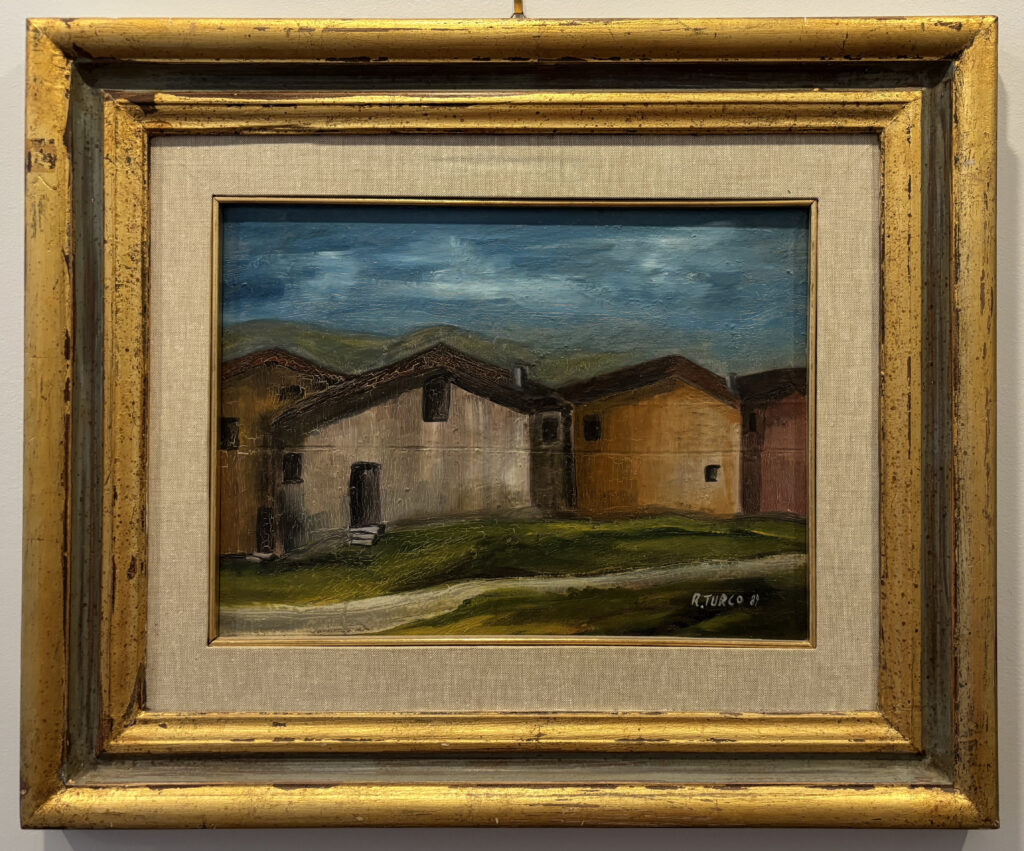
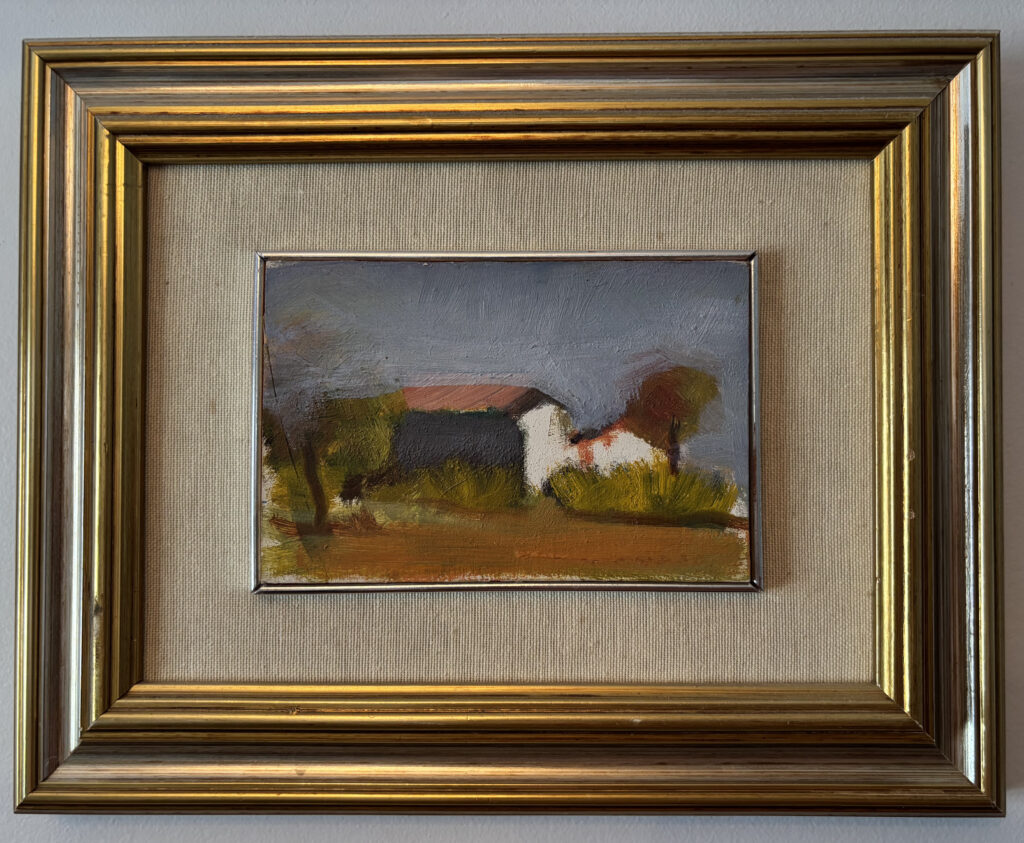
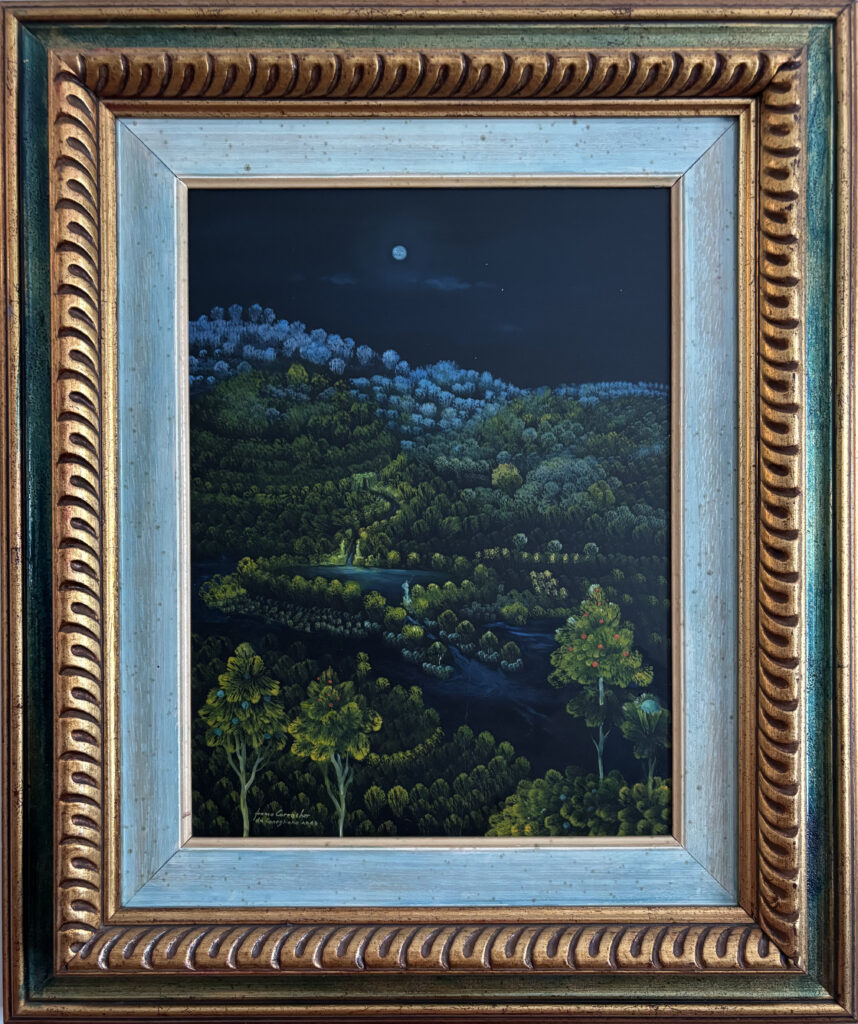
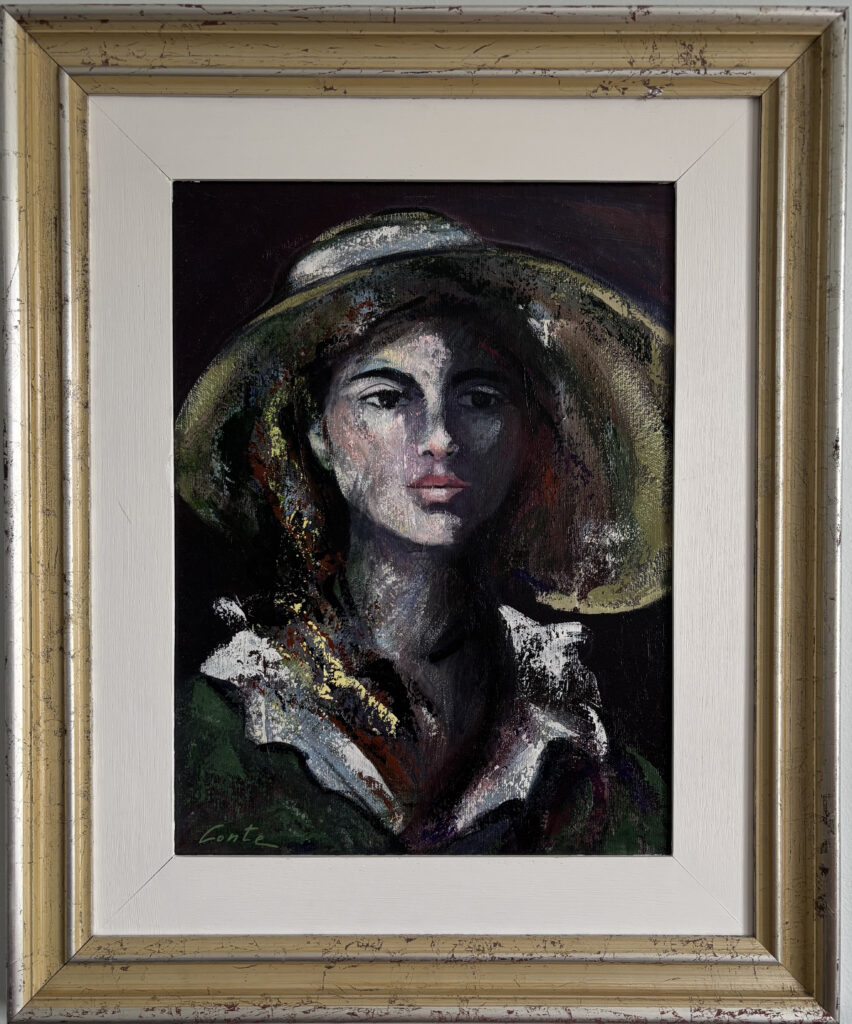
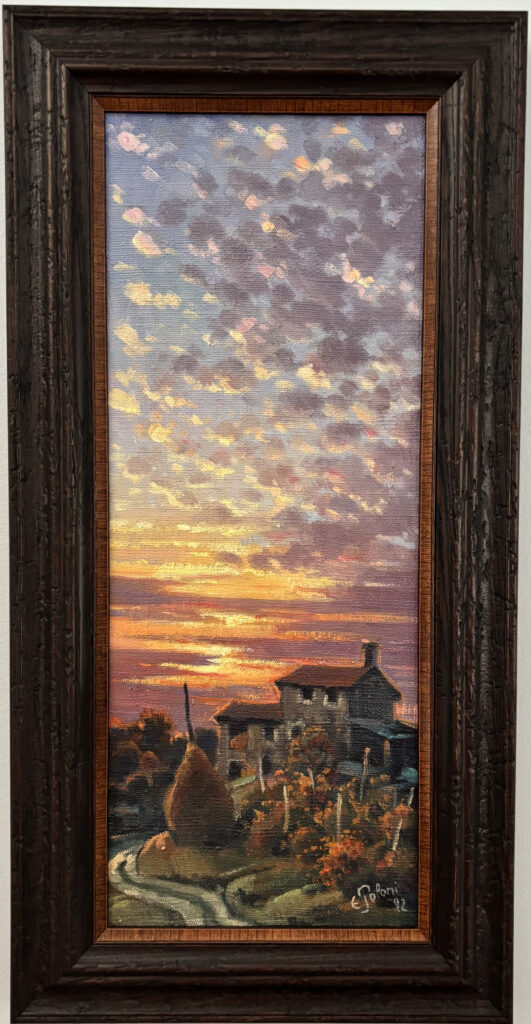
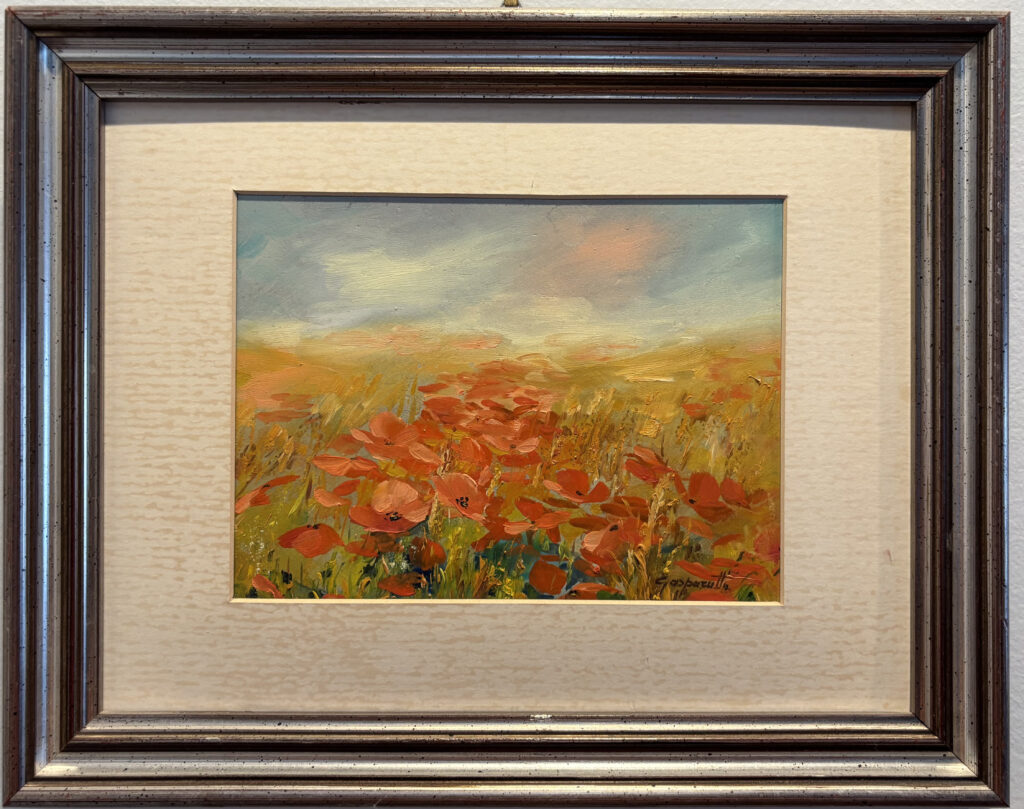
Art piece in Higgs’s art collection. (Photo courtesy Audrey Rivera)