
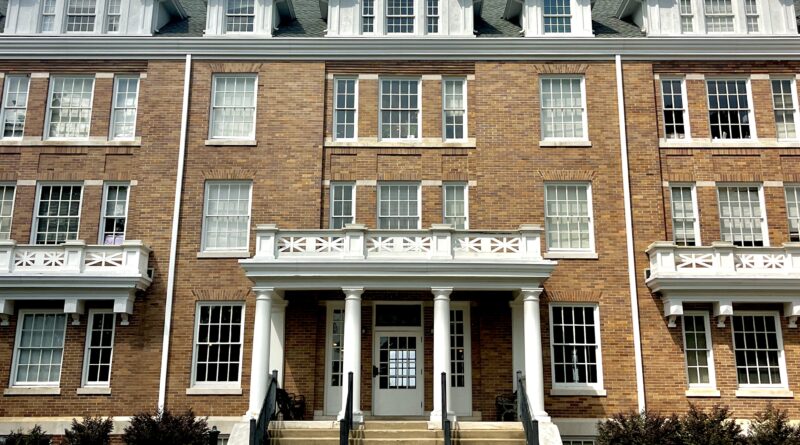
Fungus Among Us: Dorm maintenance issues raise concerns among residents
Mold, moisture and mushrooms:
Scots question whether problems
pose health and safety hazards
Student concerns grow alongside the fungus in Carnegie Hall, as Scots report finding mold, mushrooms and water leaks in residence halls across campus.
These problems are potential health and safety hazards, and while Maryville College residence halls are often historic buildings and therefore expected to have occasional maintenance issues, some of these concerns require immediate attention.
Over time, excessive moisture can create conditions for fungus growth, said Facilities Operation Manager Bo Long in response to the unusual discovery of fungus growing in the Carnegie parlor.
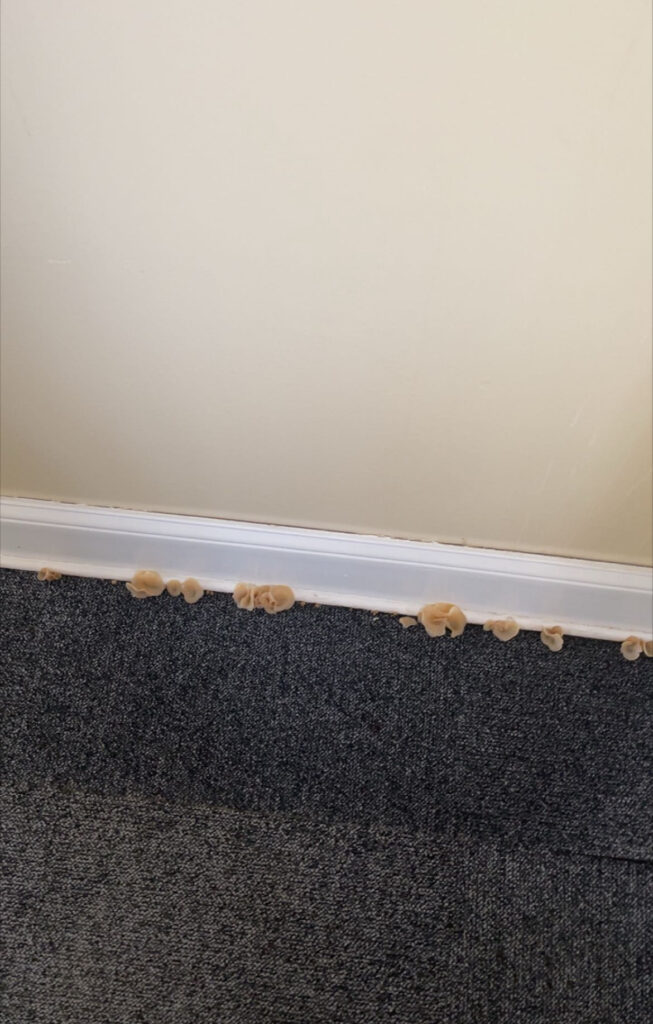
Moisture collects and fungus grows on carpet in Carnegie Hall parlor. Photo courtesy of YikYak user
“We are in a really humid region, so in an effort to keep the building comfortable on the inside, we keep it cooler than usual,” Long explained. “The parlor is a high-traffic area with the doors opening and closing constantly, so it’s fanning all of the moisture inside.”
Facilities staff has since addressed this issue and given some advice on what to do if fungus is found: “The most important thing [is to] find it fast. If you’re seeing an actual mushroom, most likely you’re at the source of the problem. That’s the biggest concentration of organic growth. If we find it quickly, we use an enzyme-based cleaner that gets rid of the organic matter, and then it dries out,” Long said.
And mushrooms aren’t the only fungal concern. Students have also reported mold in vents, as well as water leaks from air conditioning units. Mold forms when excessive moisture builds up and creates spores, and if not reported quickly, can pose health risks to nearby residents. This problem is often caused by clogged drains.
“The drains can become clogged and start to collect water until it leaks out,” said Long. “It is usually an easy fix for maintenance.”
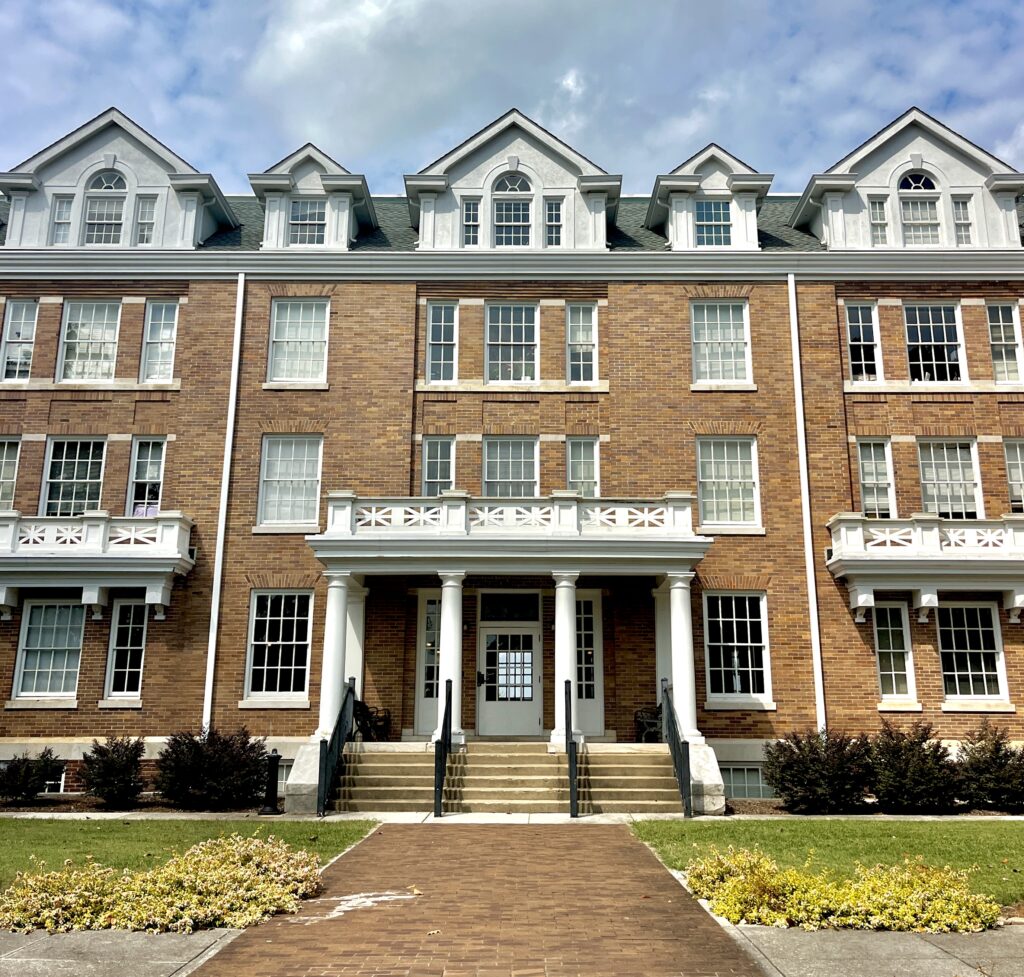
Carnegie Hall Photo courtesy of Emma Knight
Long urged students to report issues when they are found. “Unless we are told about these issues, we usually won’t be aware of them. We won’t go into someone’s room unless we are requested to. It’s really important to report problems that you see as quickly as you can, and even stuff you aren’t certain about,” Long said.
To ensure problems are resolved quickly, MC Student Affairs and Resident Life are also involved in these matters.
“All of our residence halls are maintained with care and attention, and we work closely with our Facilities team to address any maintenance requests as they are submitted,” said Director of Residence Life Daniel Roselli.
Maintaining eight residence halls is a challenge, but administrators say that it remains a priority. Conditions in residence halls have an impact on Scots, as well as prospective students.
Dorm conditions only affect the college decisions of 8% students, said Director of Undergraduate Admissions Kelly Massenzo, citing statistics from a poll sent to admitted students who chose not to enroll.
Due to specific commuter requirements, such as living with family in the area, having dependents or being a non-traditional student, most MC students are not eligible to live off campus. This means that residence hall concerns are a significant factor in their daily lives, regardless of how much it impacts their choice of college.
To help health and safety concerns get taken care of promptly, submit a maintenance request when you see something abnormal in residence halls, campus buildings, or on MC property.
“We view every maintenance request as an opportunity to improve the living experience for our students, and our goal is always to ensure that all residence halls remain safe, comfortable, and well-maintained,” said Roselli.