Asian lady beetles invade MC buildings as temperatures drop
An influx of beetles that resemble ladybugs have been a growing source of irritation among Maryville College students.
Asian lady beetles are an invasive species known to take refuge indoors during the colder months. They have been spotted in dorm rooms and academic buildings around campus this year. In addition to being a nuisance, they bite and produce a foul odor when they feel threatened.
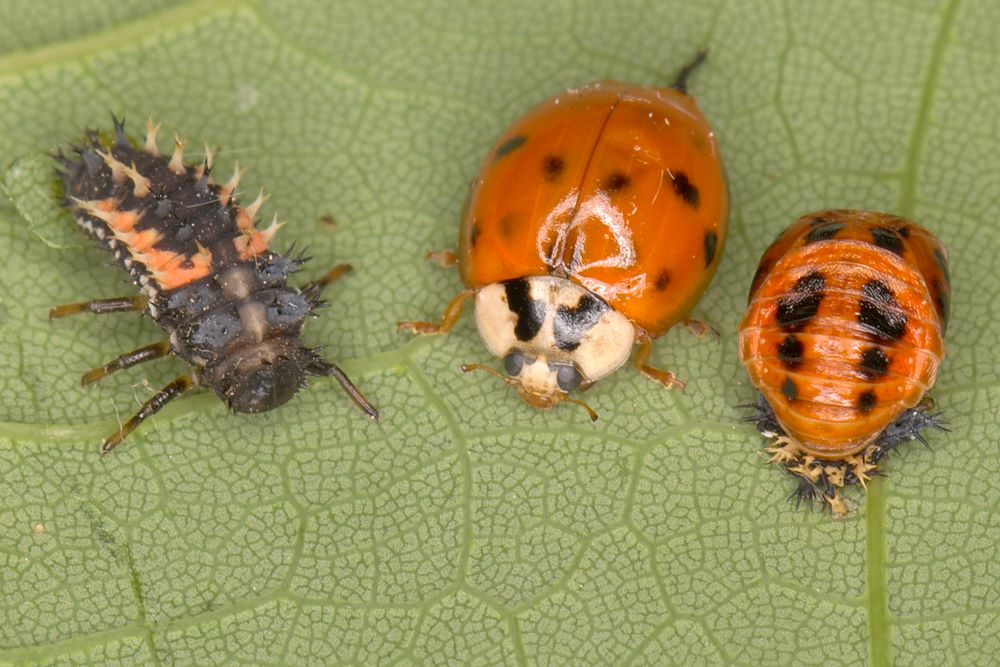
Although they look similar to the common ladybug, there are a few distinguishing features. Asian lady beetles have an “M” or “W” shape on their backs and present more of an orange color. They are usually a bit larger than ladybugs.
The beetles were introduced to North America to help control pest populations. As larvae and adults, the beetles are effective pest control, eating aphids and mites in large quantities. The larvae have also been a prominent issue, infesting trees on campus. In their larval state, Asian lady beetles are thin and black, with orange stripes and rows of spines on their body.
Sometimes, these insects are called Halloween beetles, as they typically begin invading homes in October.
MC students have reported that these beetles appear in large numbers, especially in residence halls. They can find their way in on backpacks or clothing, or through windows.
The beetles are usually seeking warmth, and will gather on a south facing wall, or a sunlit area.
“There have been so many of the bugs in my dorm room, and they’ve been getting in through a crack in the unsealed window,” said Jasmine Helton (‘27), a resident of Carnegie Hall. “We’ve found them on our beds, the walls and on ourselves.”
These Asian lady beetles have been spotted in the dining halls as well.
“While I was hanging up flyers in front of Pearson’s, I looked down and saw beetles all over the front of my shirt,” said Hannah Corell (‘27).
These insects have also been a problem outside of MC. Since it’s become colder, the beetles tend to look for sheltered places out of the cold. They are also known to travel in packs. Unfortunately, this can result in infestations.
The Asian lady beetles release a pheromone that attracts other beetles. To deter more Asian lady beetles to your space, use essential oils or citrus scents to clean after removing the insects.
Take precautions as the temperature drops this winter by sealing window gaps and any visible entry points, placing traps of soapy water near light sources and avoiding crushing the insects due to their foul odor, MC facilities experts recommend.
Students experiencing beetle issues in their dorms are encouraged to submit a maintenance request so the problem can be addressed.
Asian lady beetle in its three stages of life, larvae, adult and pupa. (Photo courtesy of User Rise0011 Wikipedia)