
Maryville College partners with TEEA, launches new Environmental Education course
At the start of the 2025 fall semester, Maryville College joined the first advisory group for the Tennessee Environmental Education Association. The association, founded in 1978, works to promote environmental literacy and conservation for future generations.
Through its advisory group, TEEA collaborates with educators and institutions to strengthen statewide initiatives, including professional development opportunities and environmental education credentialing. Dr. Cynthia Gardner, chair of the Division of Education at MC, said the partnership came at a pivotal time for the college.
“Early this fall, Maryville College was approved as a host institution for Project WET (Water Education Today), and I was working to redesign an existing EDU course into an environmental education course,” Gardner said.
Becoming a host site for Project WET, a nationally recognized water education program, allows the college to offer workshops and curriculum materials to educators throughout the region. The designation complements ongoing efforts to expand environmental programming on campus and in surrounding communities.
TEEA and Maryville College believe environmental education is a process that helps individuals, communities and organizations learn more about the environment and develop skills to investigate it, as well as make informed decisions about how to care for it.
According to Gardner, this reinforces the college’s goal of preparing students to understand environmental issues and actively engage with them.
Beginning in fall 2026, Maryville College will offer EDU 211, “Foundations of Environmental Education.” The course will be open to students of all majors and will center on what Gardner described as the “big three” interdisciplinary environmental education programs: Project Learning Tree, Project WILD and Project WET.
The class will emphasize leading environmental education activities in both formal classroom settings and informal learning environments. Gardner anticipates students enrolled in the course will plan and facilitate activities for K-12 students during the semester, gaining hands-on experience in teaching environmental concepts.
Students will also have opportunities to assist with teacher training workshops and become involved with TEEA, further strengthening ties between the college and the statewide environmental education community.
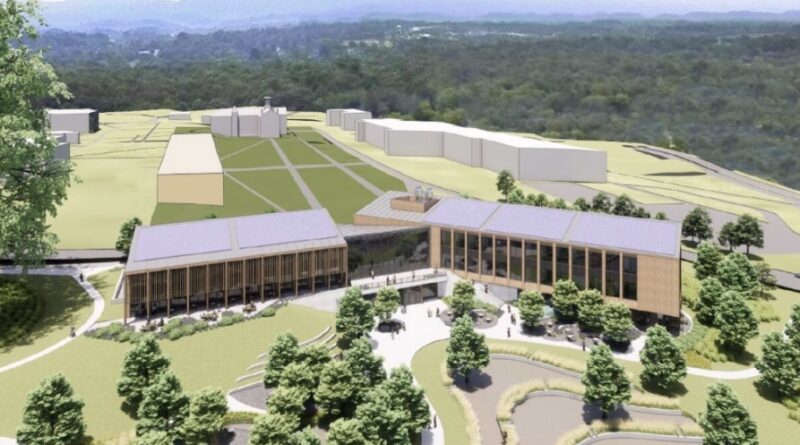
The new course and advisory group membership align with the mission of the Natalie L. Haslam Center for Environmental Education, which will be located in the planned Alexander Institute for Conservation Leadership and the Sciences. The institute is expected to expand the college’s conservation leadership initiatives and serve as a hub for environmental learning and outreach.
Gardner said joining the advisory group allows Maryville College to collaborate with other leaders in the field and align future programming with the Tennessee Environmental Education credential.
“[It will allow us to] work with others in the environmental education field and be on the cutting edge of environmental education programming as we look to the opening of the Haslam Center,” Gardner added.
By participating in the advisory group, the college will help shape conversations around practices and standards in environmental education while ensuring its own coursework and outreach meet state benchmarks.
The move reflects a broader institutional commitment to sustainability and interdisciplinary learning. Through its new course offerings, community partnerships and involvement with TEEA, Maryville College aims to equip students with the knowledge and practical skills needed to address environmental challenges.
As plans for the Alexander Institute move forward and EDU 211 prepares to launch, the college’s role in Tennessee’s environmental education landscape is poised to grow, extending its impact from campus classrooms to K-12 schools and communities across the region.
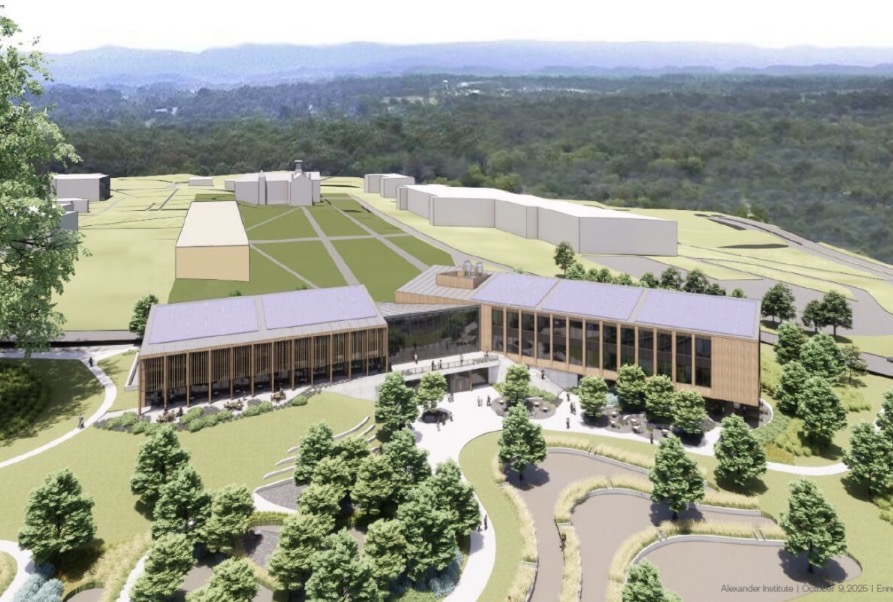
The Alexander Institute, where the Haslam Center for Environmental Education will be located. (Photo courtesy of Maryville College)